Natural History Museum Abu Dhabi
Immersive experiences • Design • Manufacture • Museum exhibitions • Life replicas and dummies
Natural History Museum Abu Dhabi
Immersive experiences • Design • Manufacture • Museum exhibitions • Life replicas and dummies
Discover the wonders of our world in Abu Dhabi’s Saadiyat Cultural District
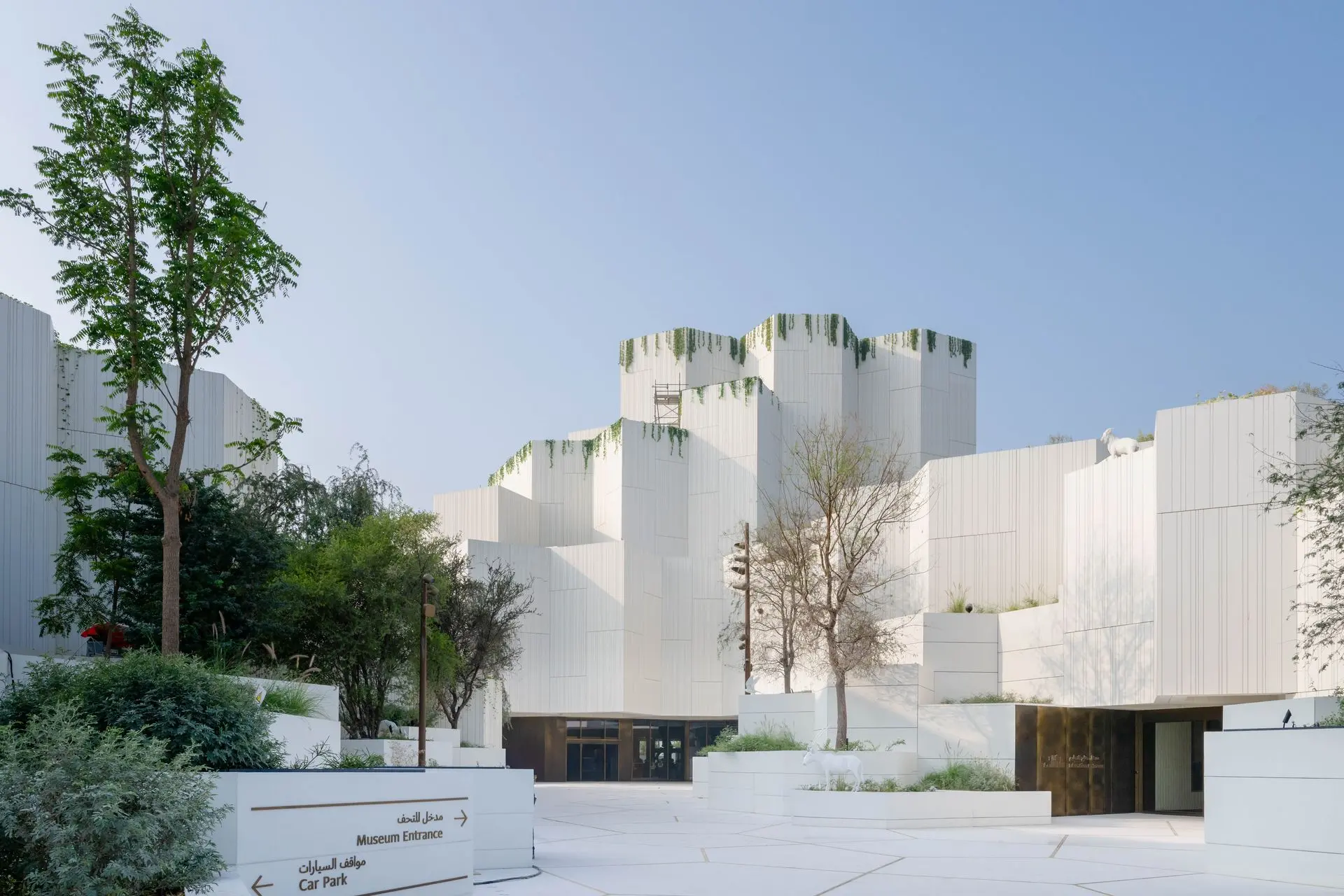
Abu Dhabi’s Saadiyat Cultural District has taken form as a constellation of renowned institutions. The Louvre Abu Dhabi, teamLab Phenomena Abu Dhabi and the Guggenheim Abu Dhabi are all poised to be within walking distance. Now, it’s welcomed another to its vibrant hub: the Natural History Museum Abu Dhabi, which opened its doors to the public in November of 2025.
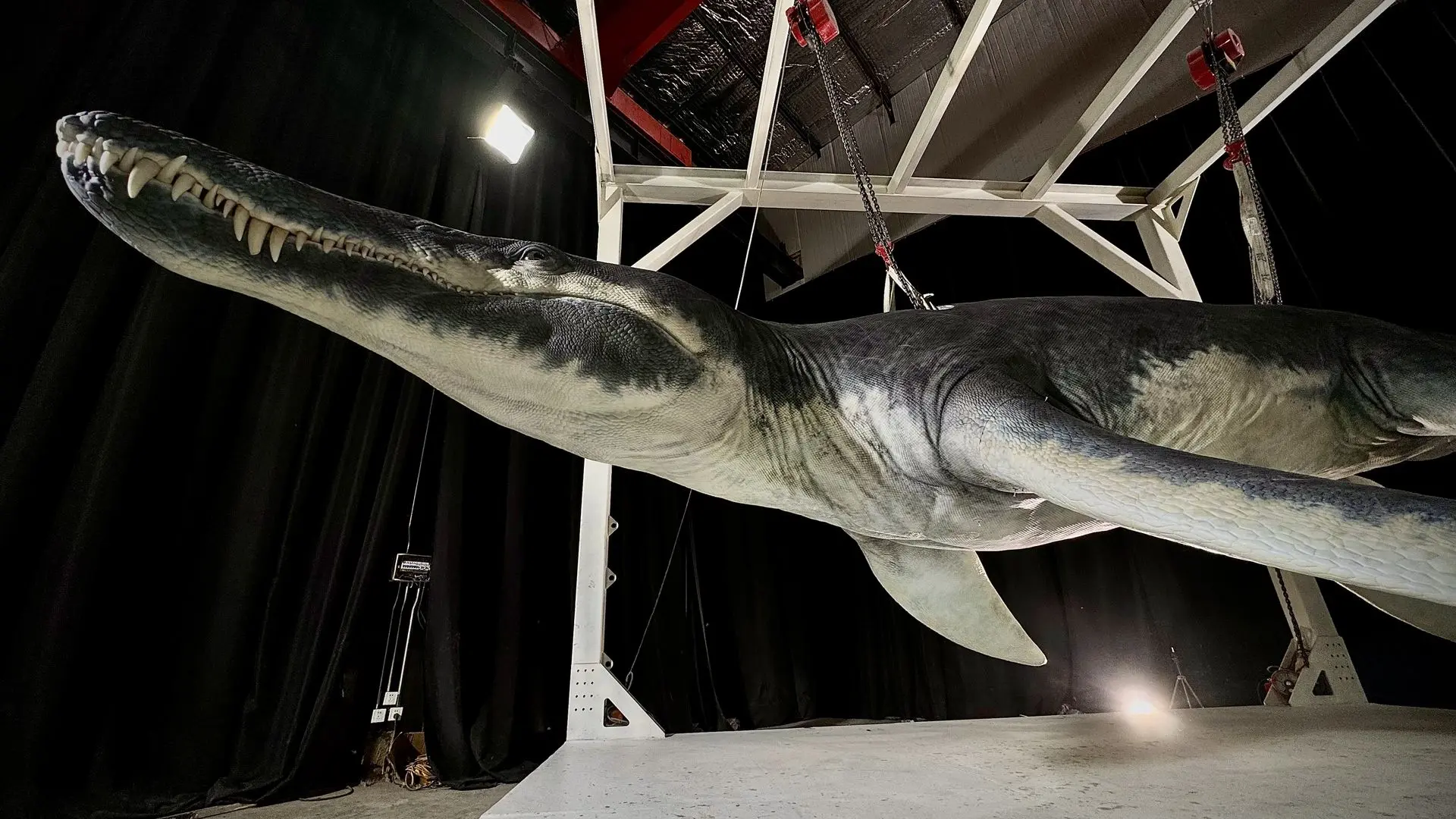
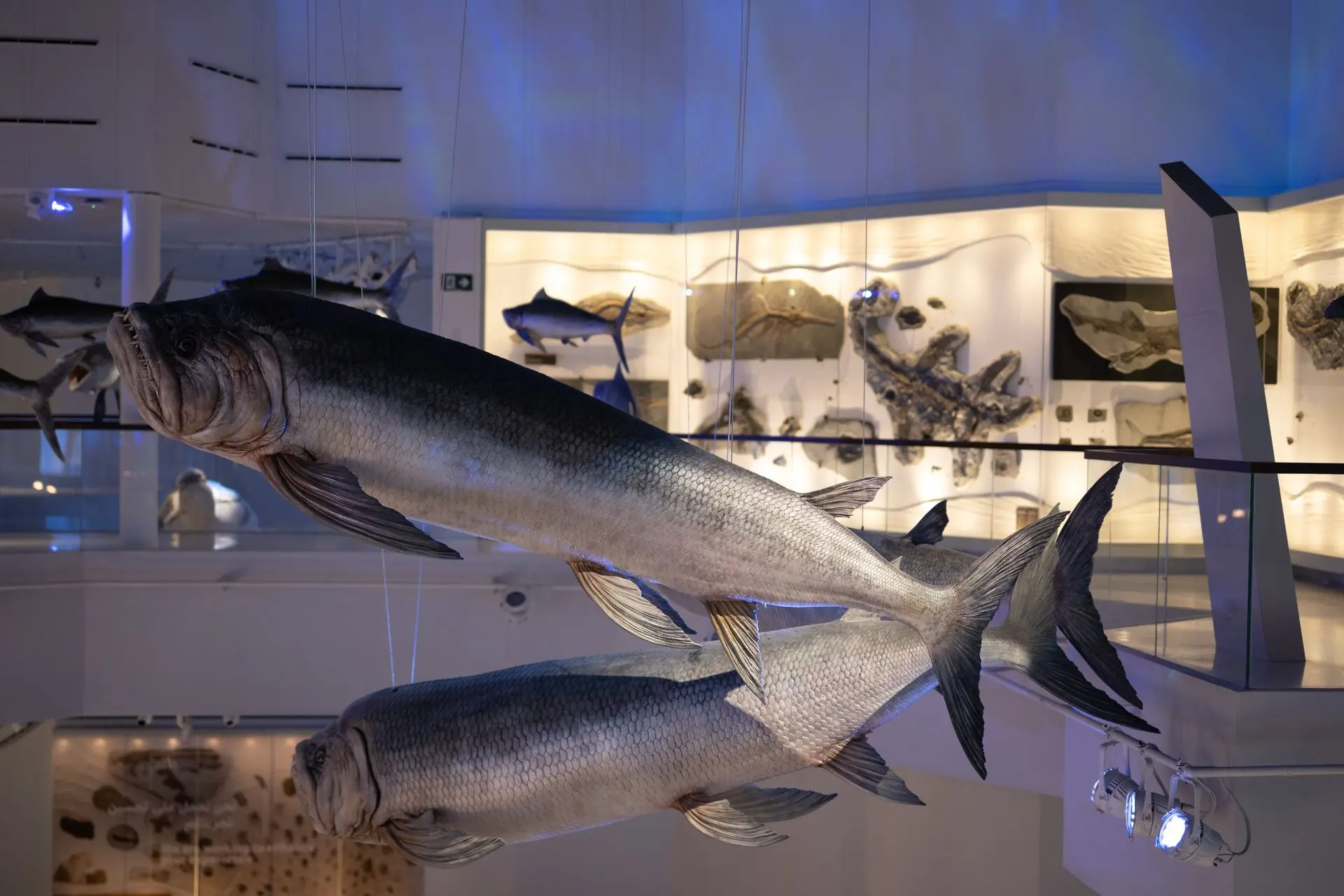
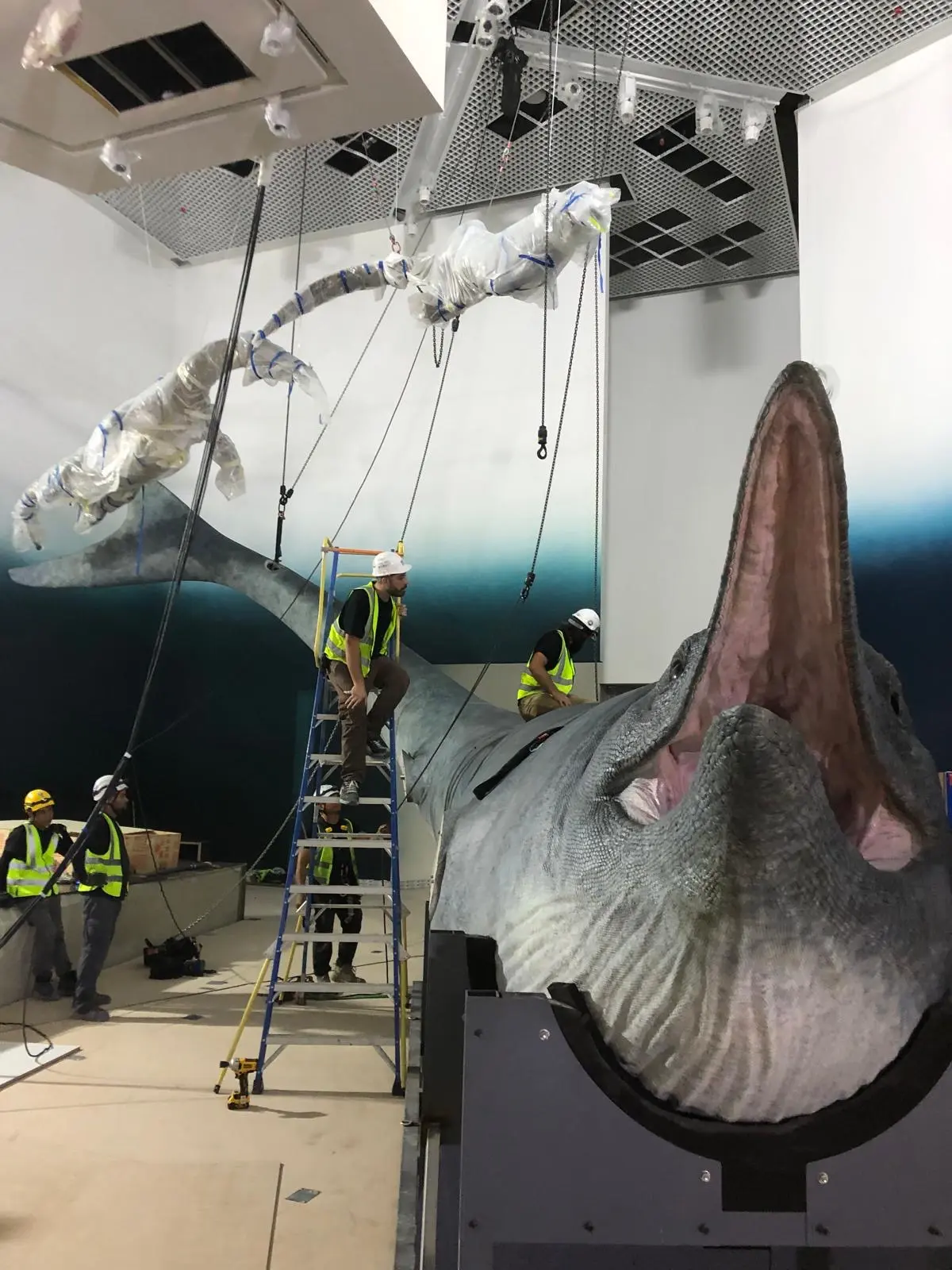
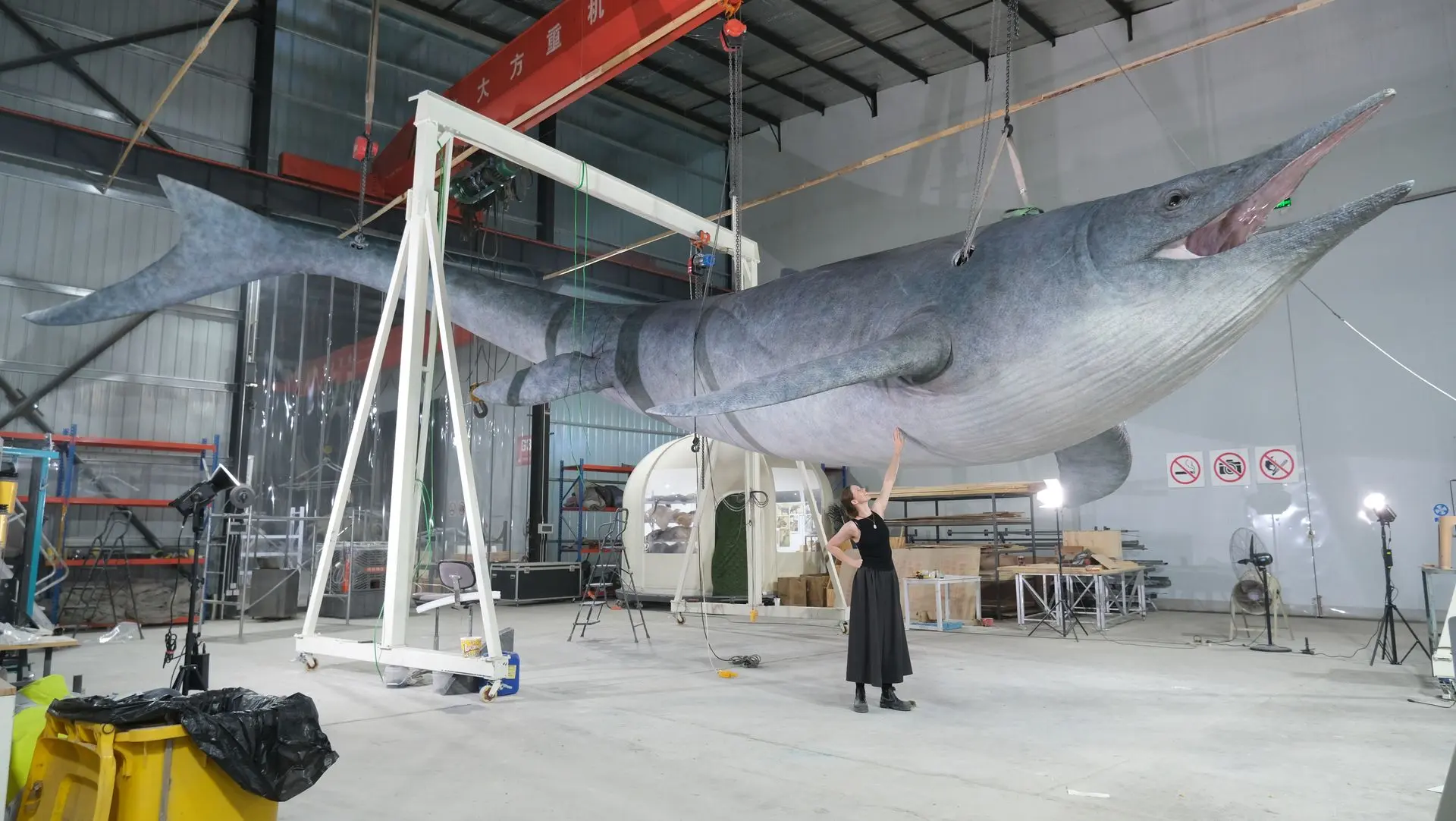
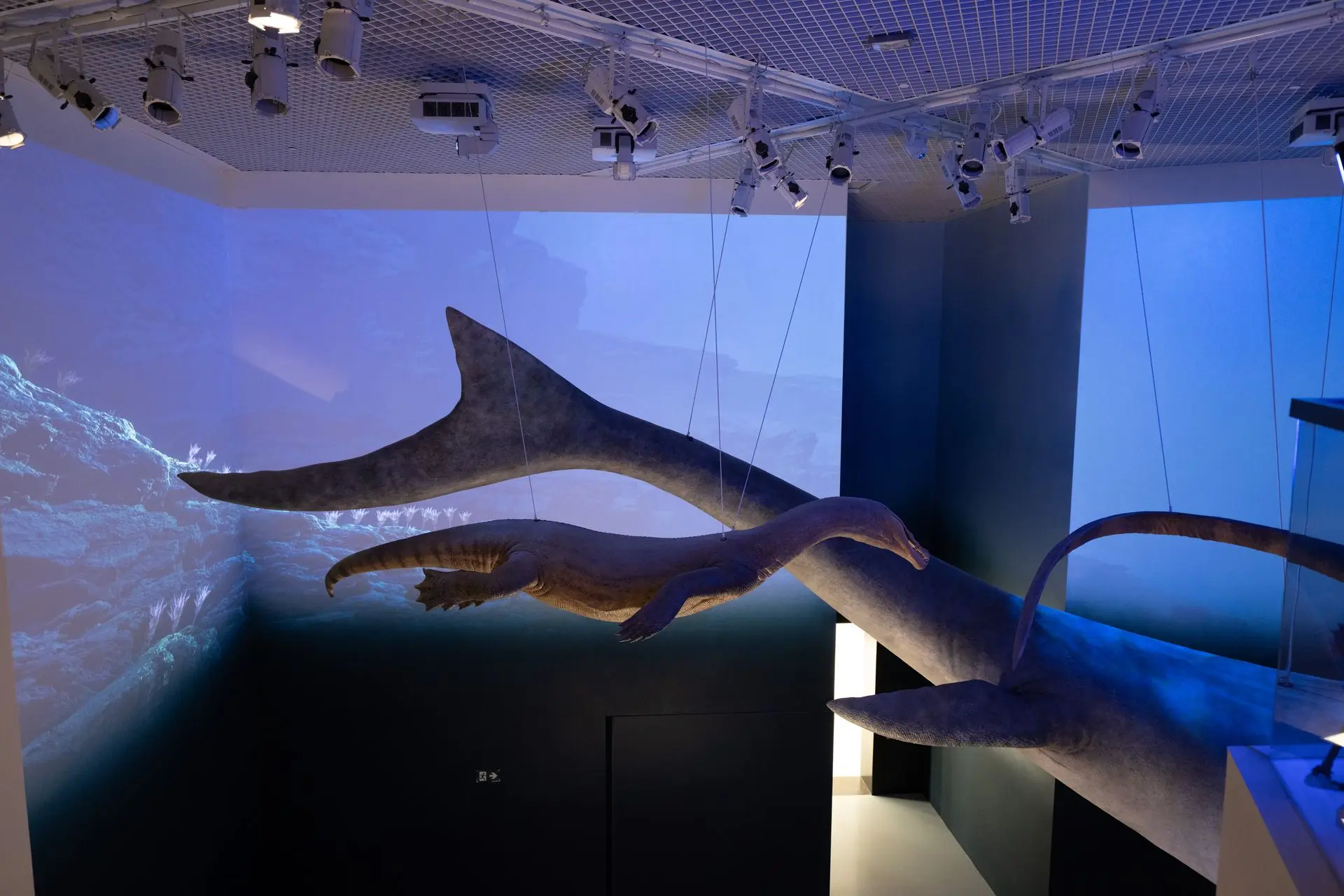
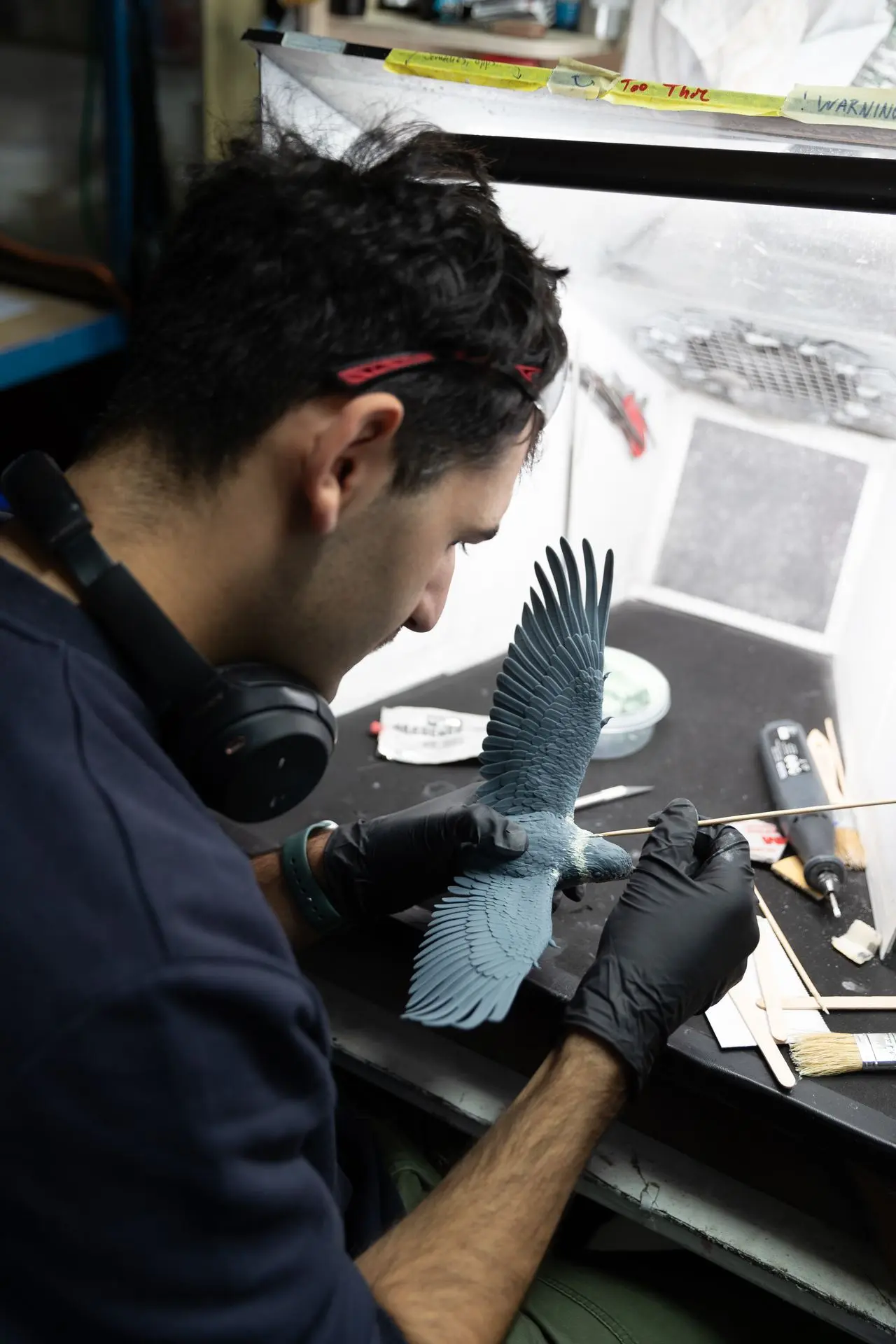
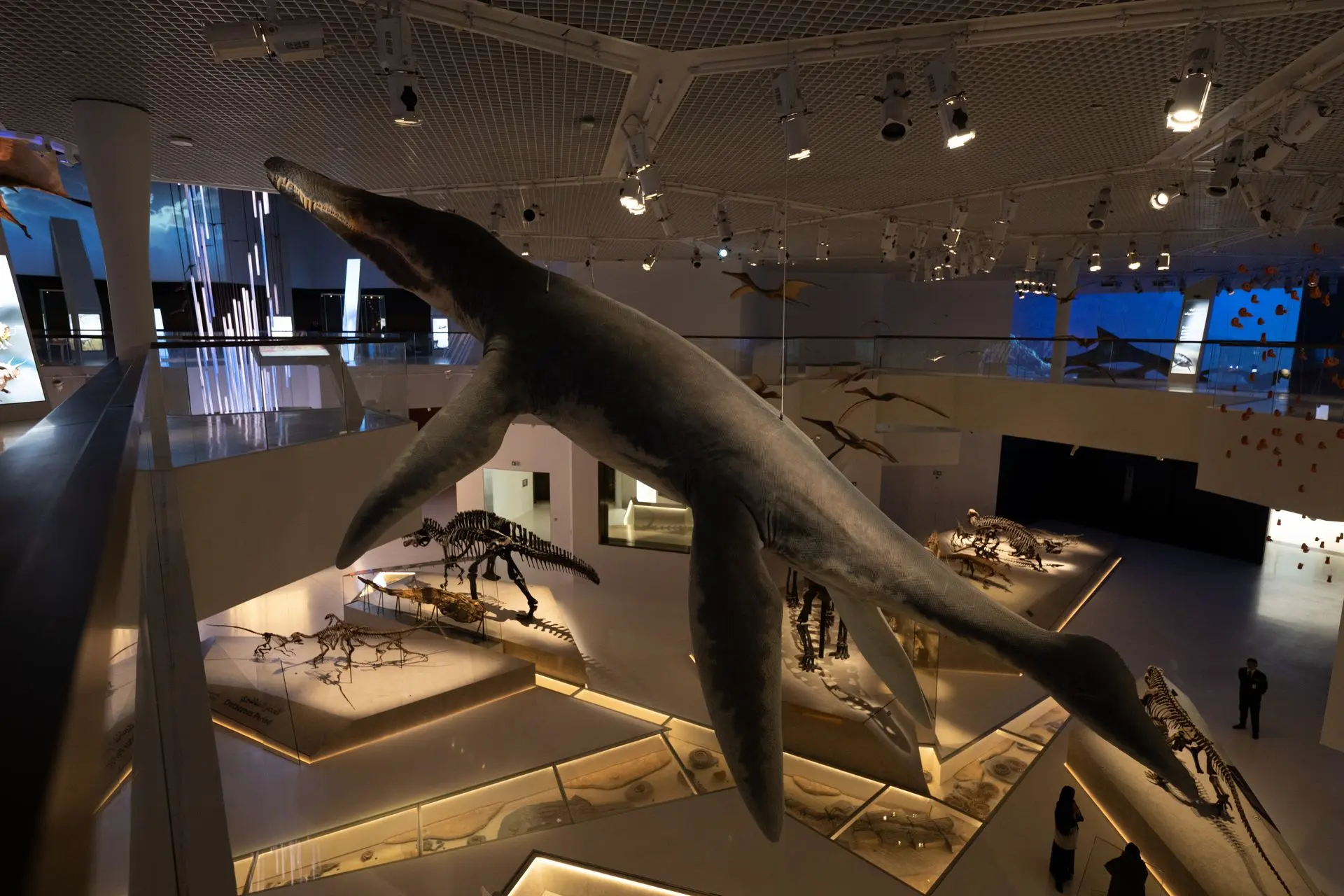
Beginning in May of 2023, Wētā Workshop created over 300 hyperrealistic models and dioramas for this world-class cultural destination in the United Arab Emirates, working closely with our manufacturing partner, Acrostar. Spanning numerous galleries, immersive displays and interactive exhibits, these pieces help guide visitors through the extraordinary beauty and diversity of our planet. Some models are monumental: a 15-metre-long Shastasaurus, one of the largest known marine reptiles, is suspended in an atrium, as if propelled by its flippers in the great depths of the ocean. Others are as small as 8mm bees.
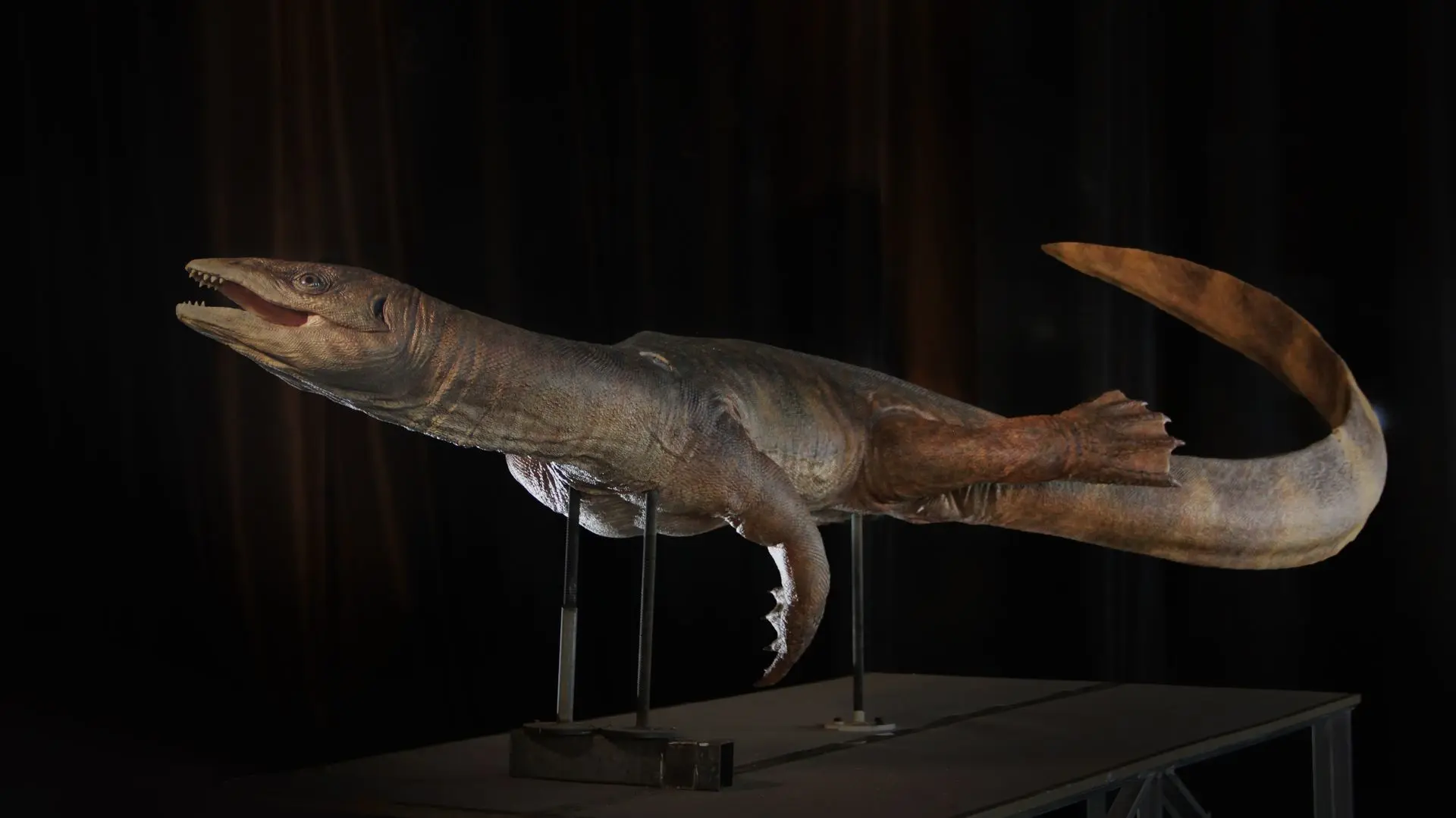
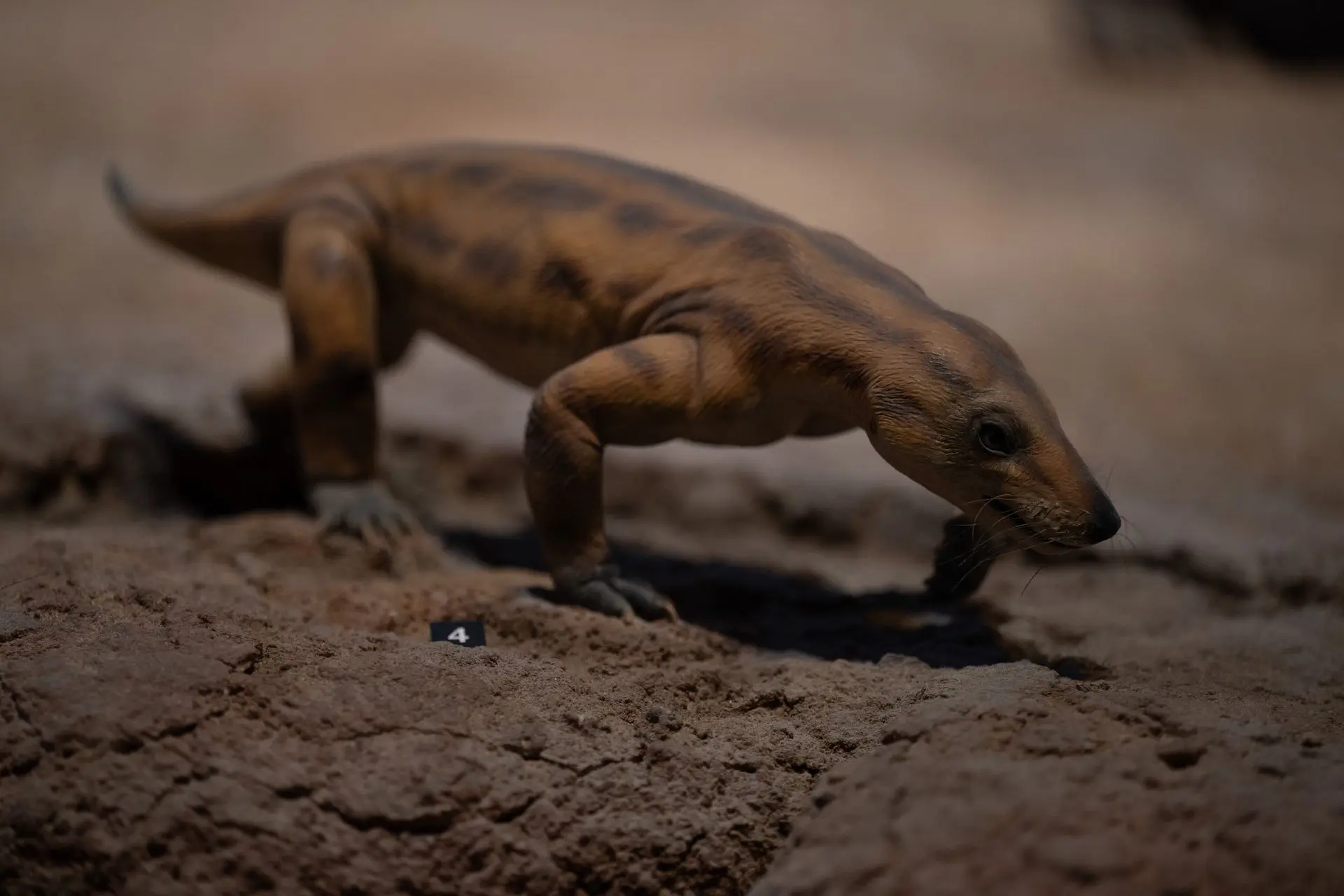
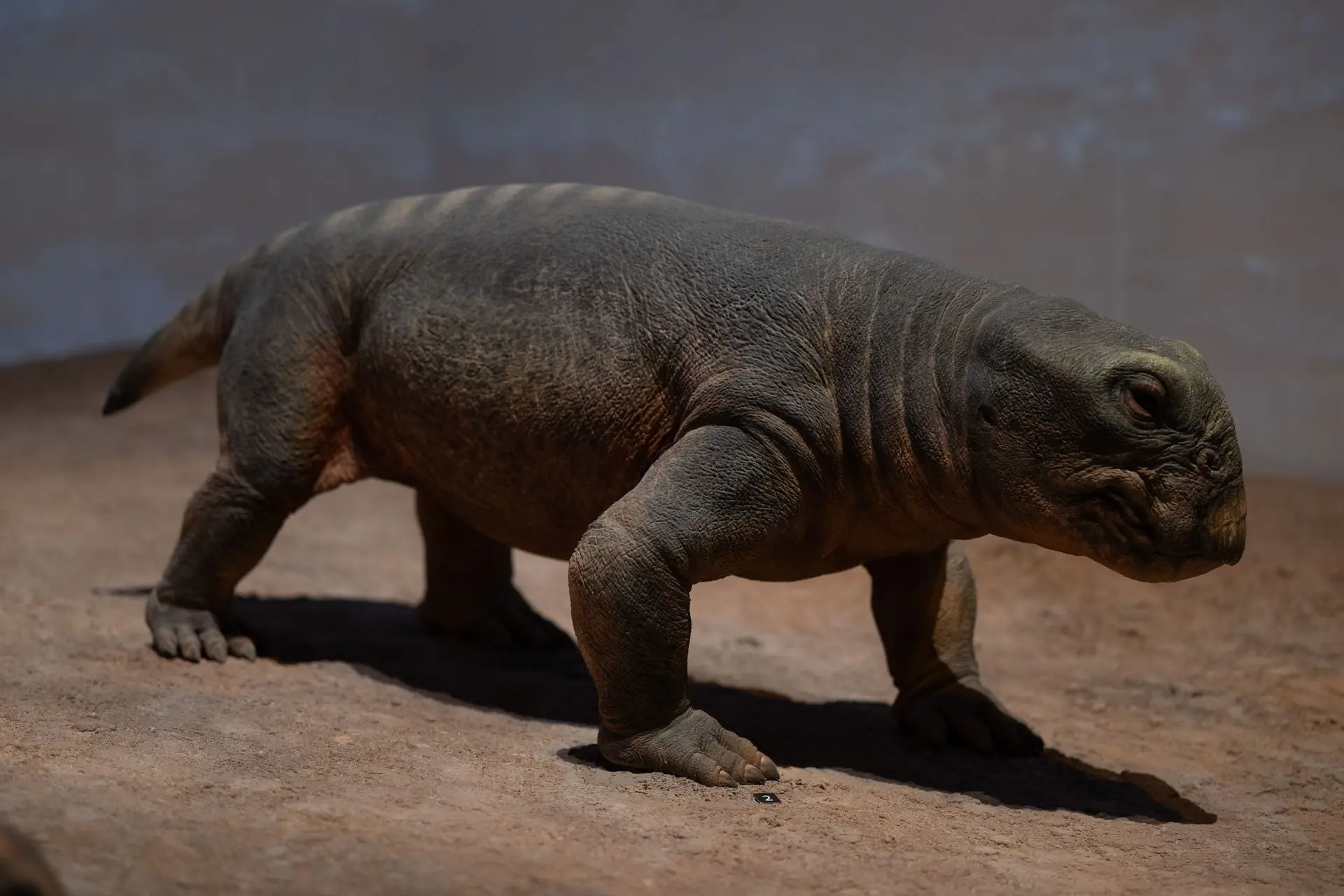
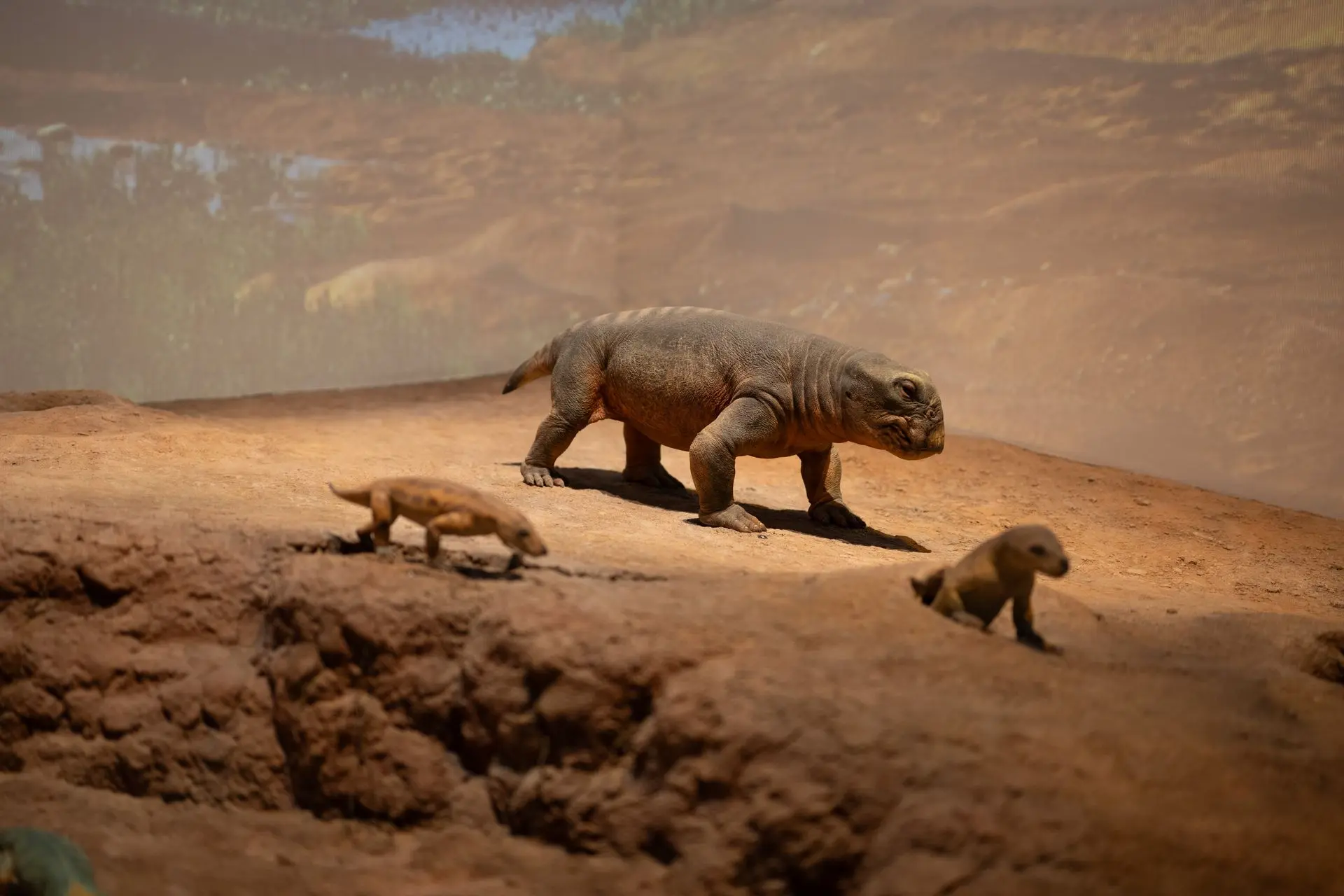
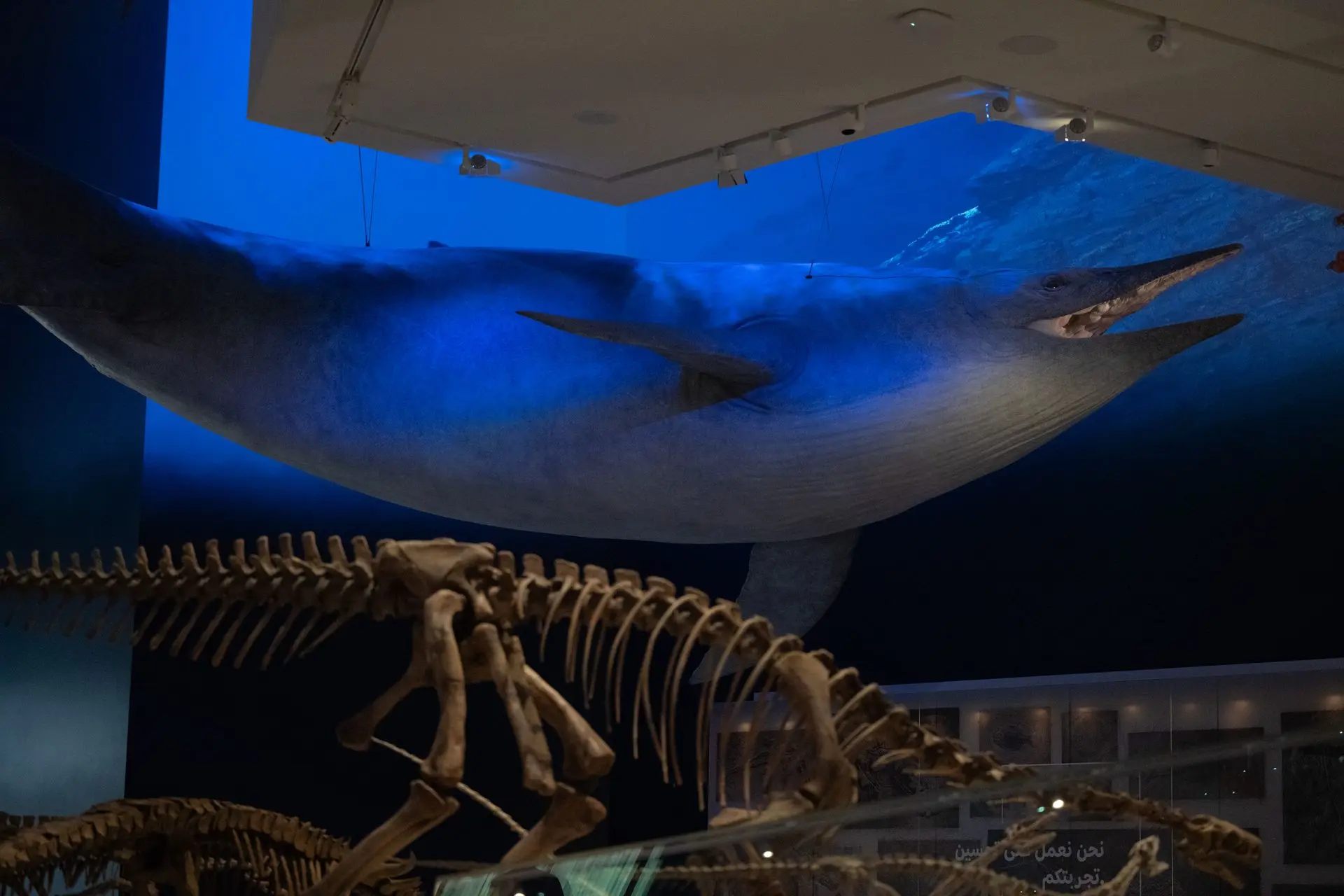
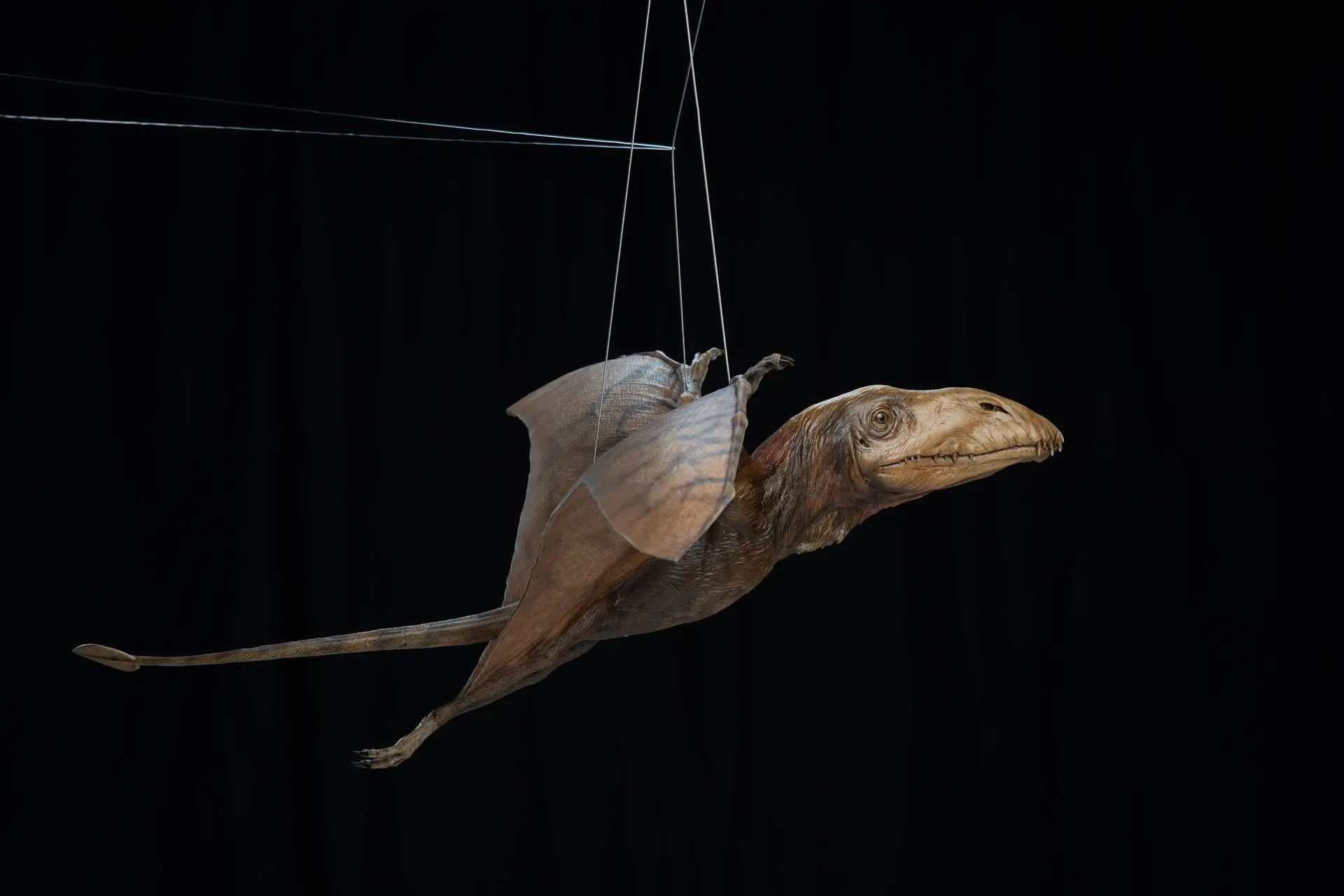
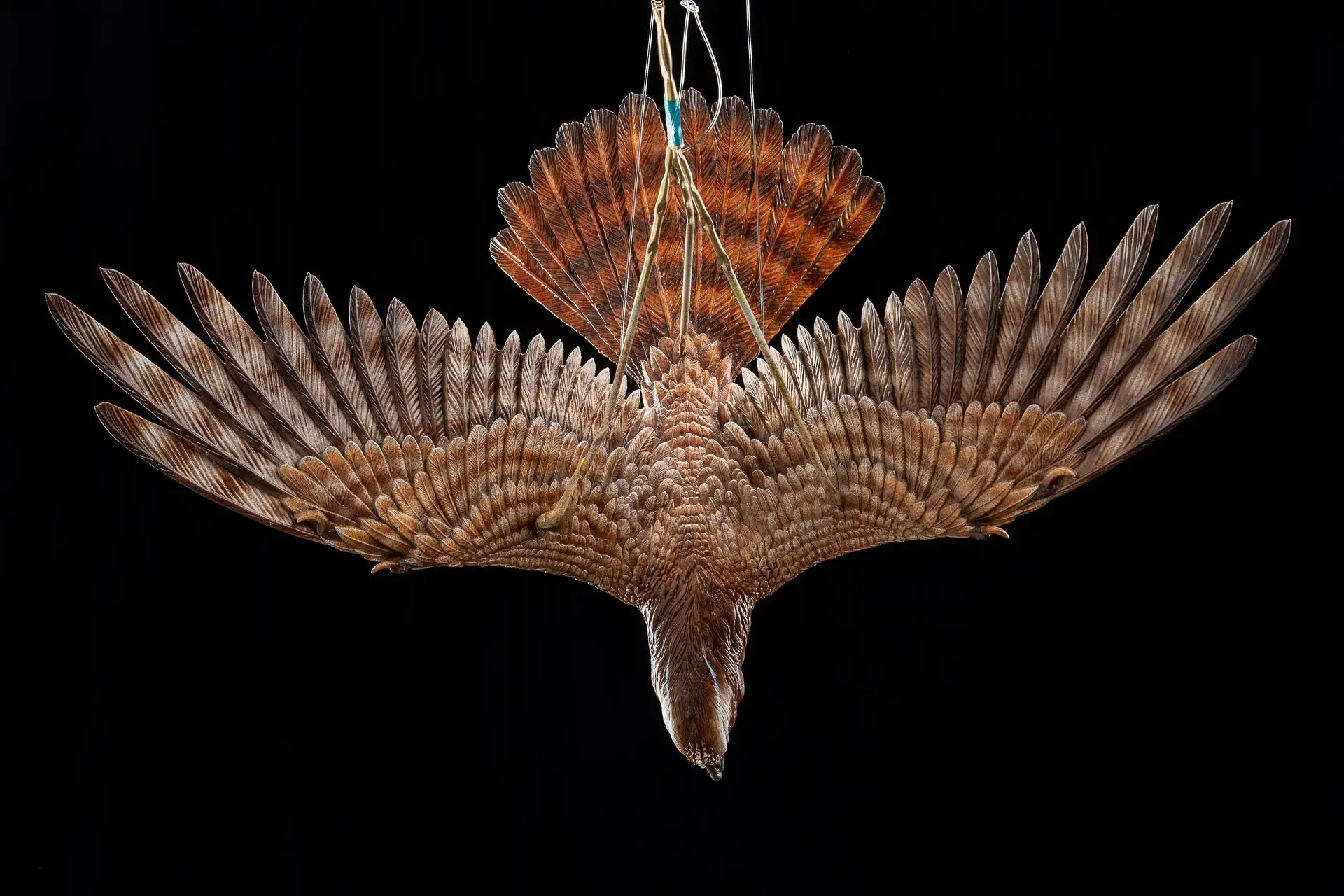
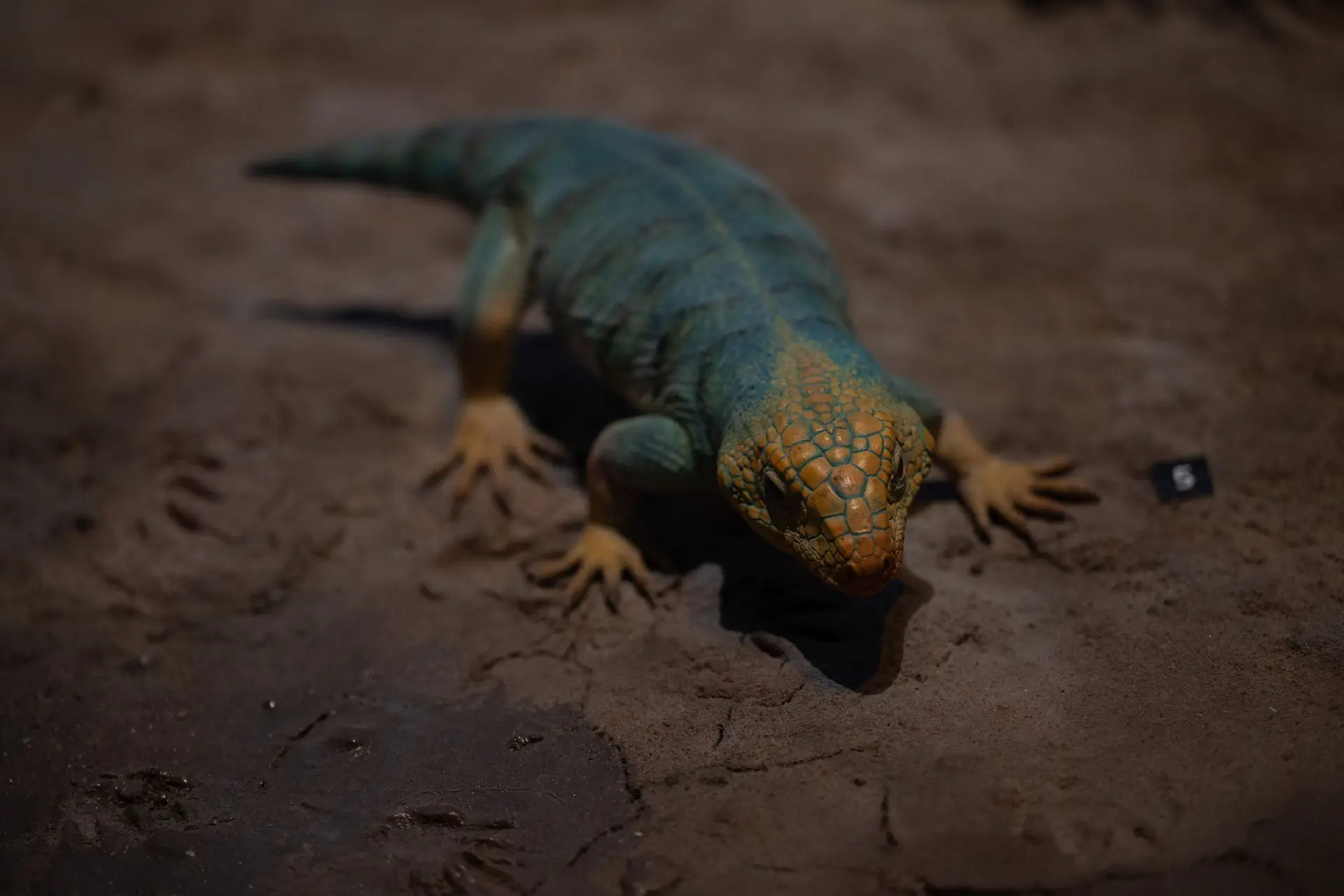
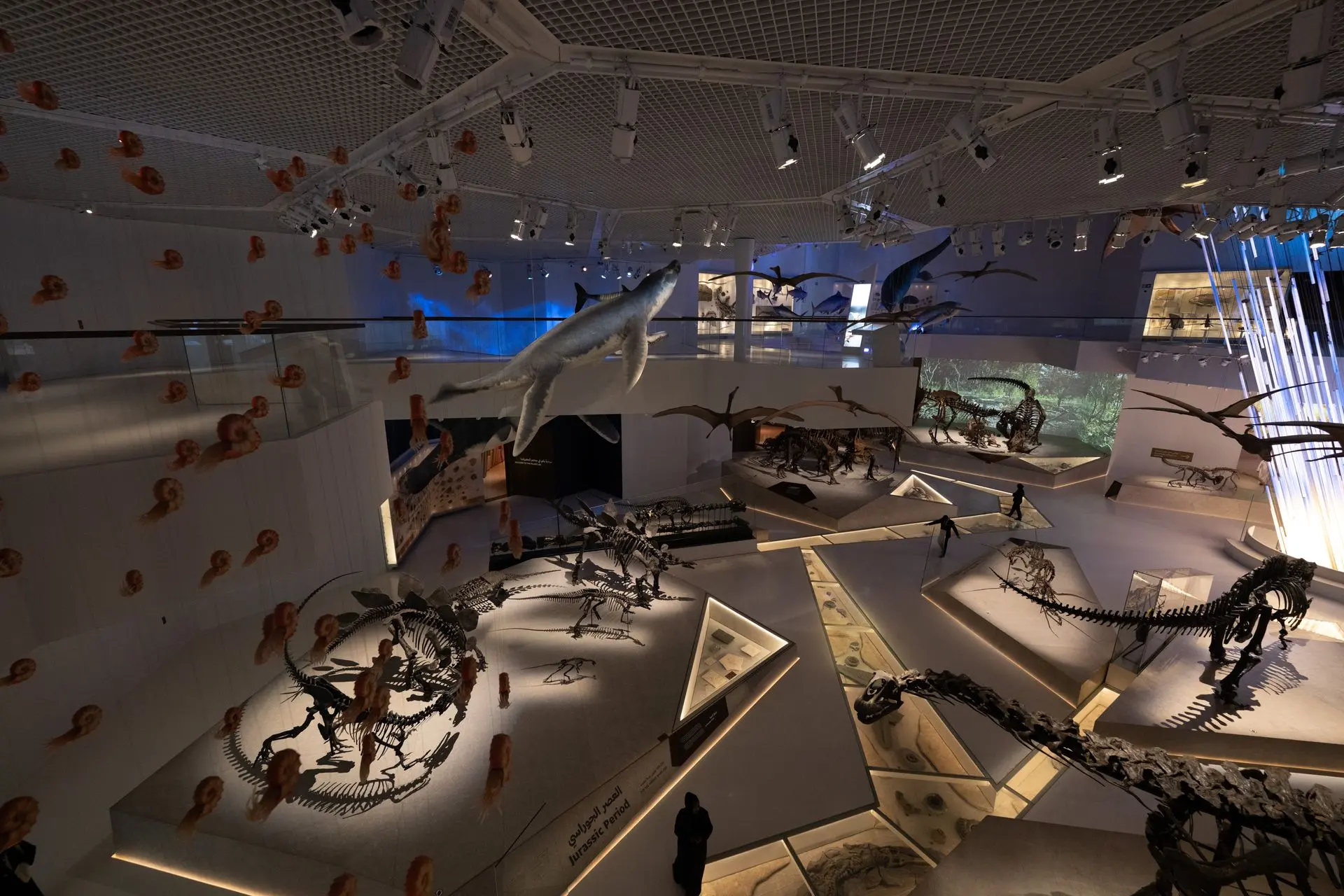
Across more than 35,000 square metres, the museum, designed by architecture firm Mecanoo, invites visitors on a journey through hundreds of millions of years of natural history. A hyperrealistic model of a Liopleurodon, a marine reptile with rows of sharp teeth, resides in its galleries alongside other models of pterosaurs and lizards from the Mesozoic era, a flock of birds from the Cretaceous, and a herd of animals from the Cenozoic.
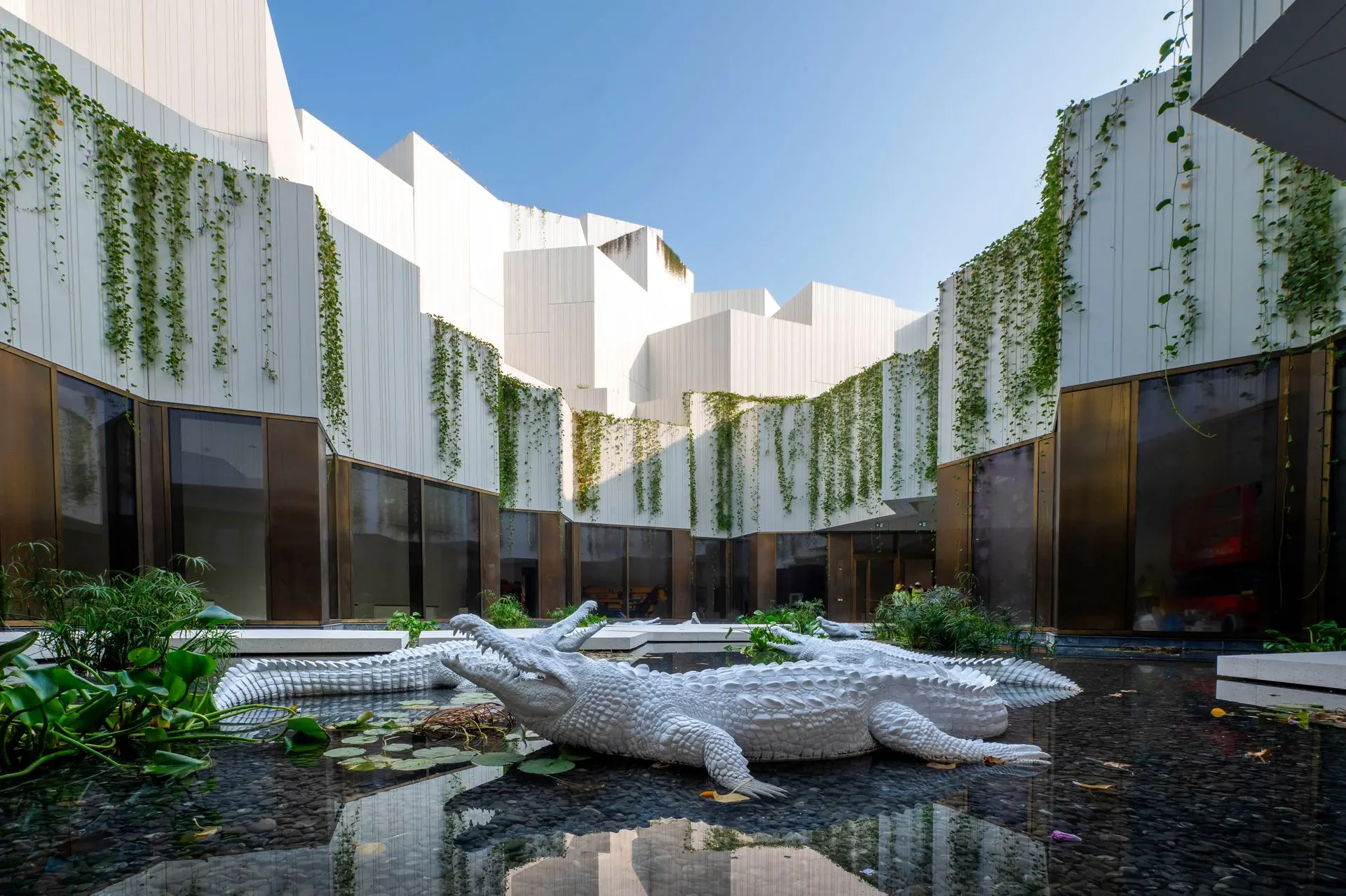
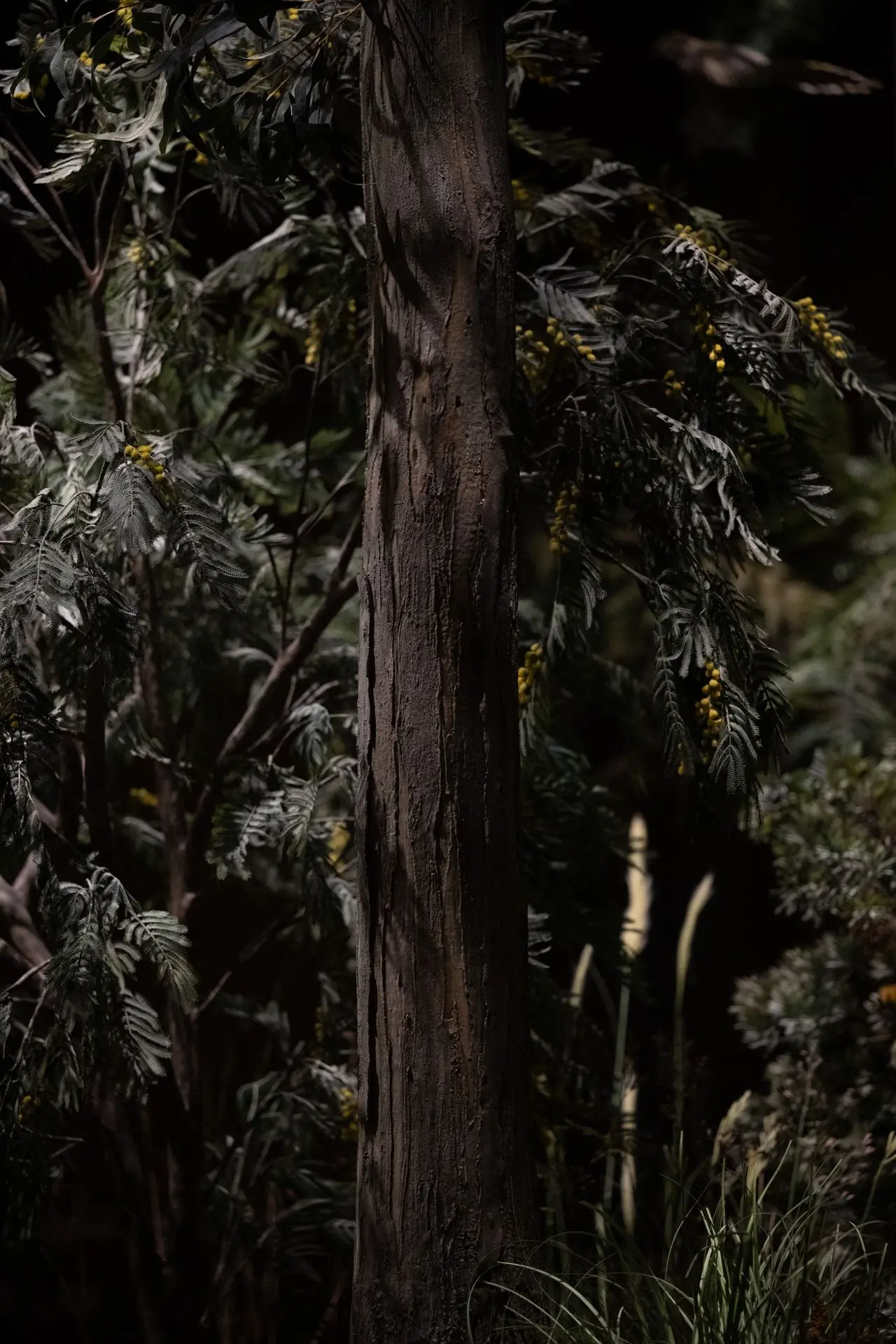
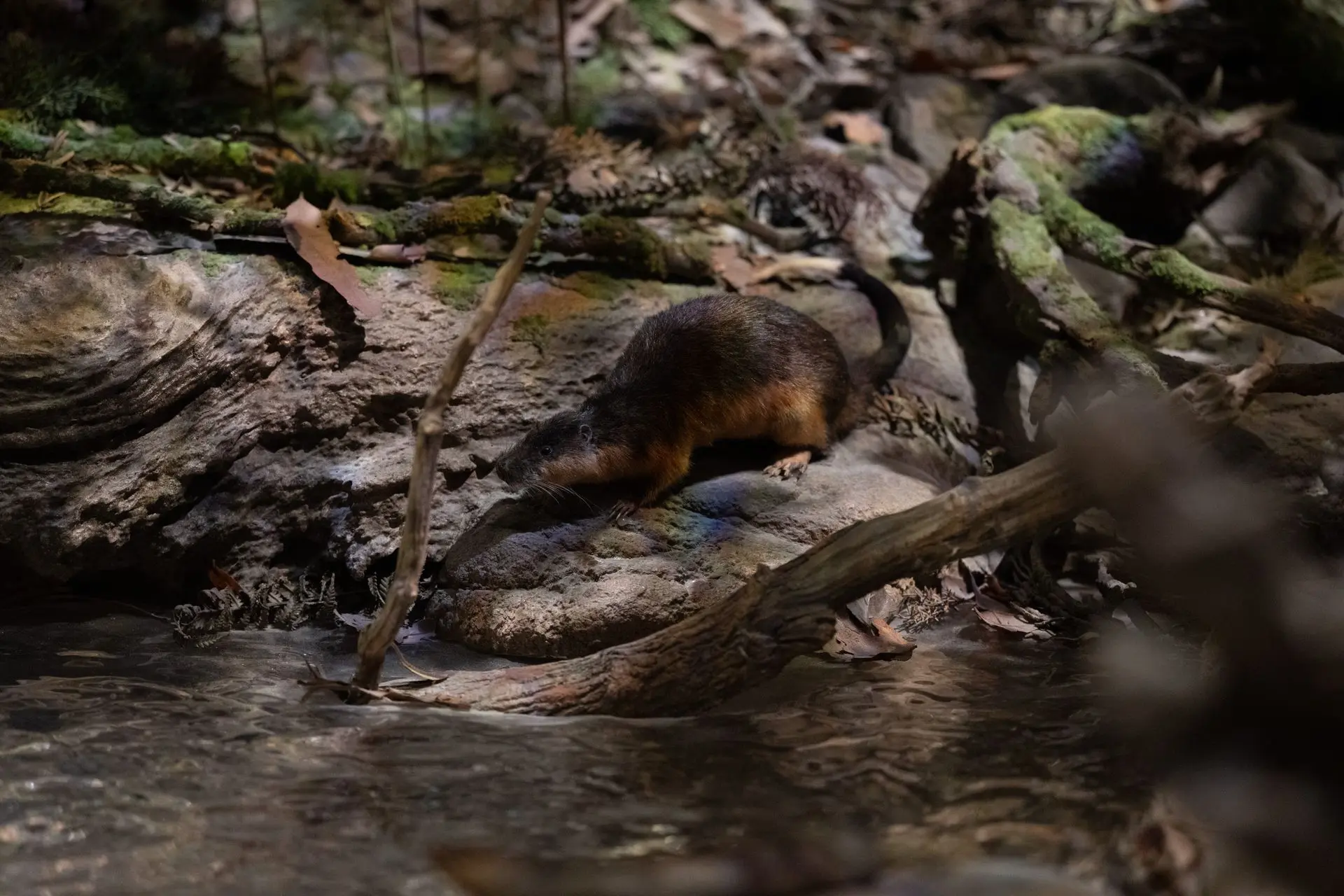
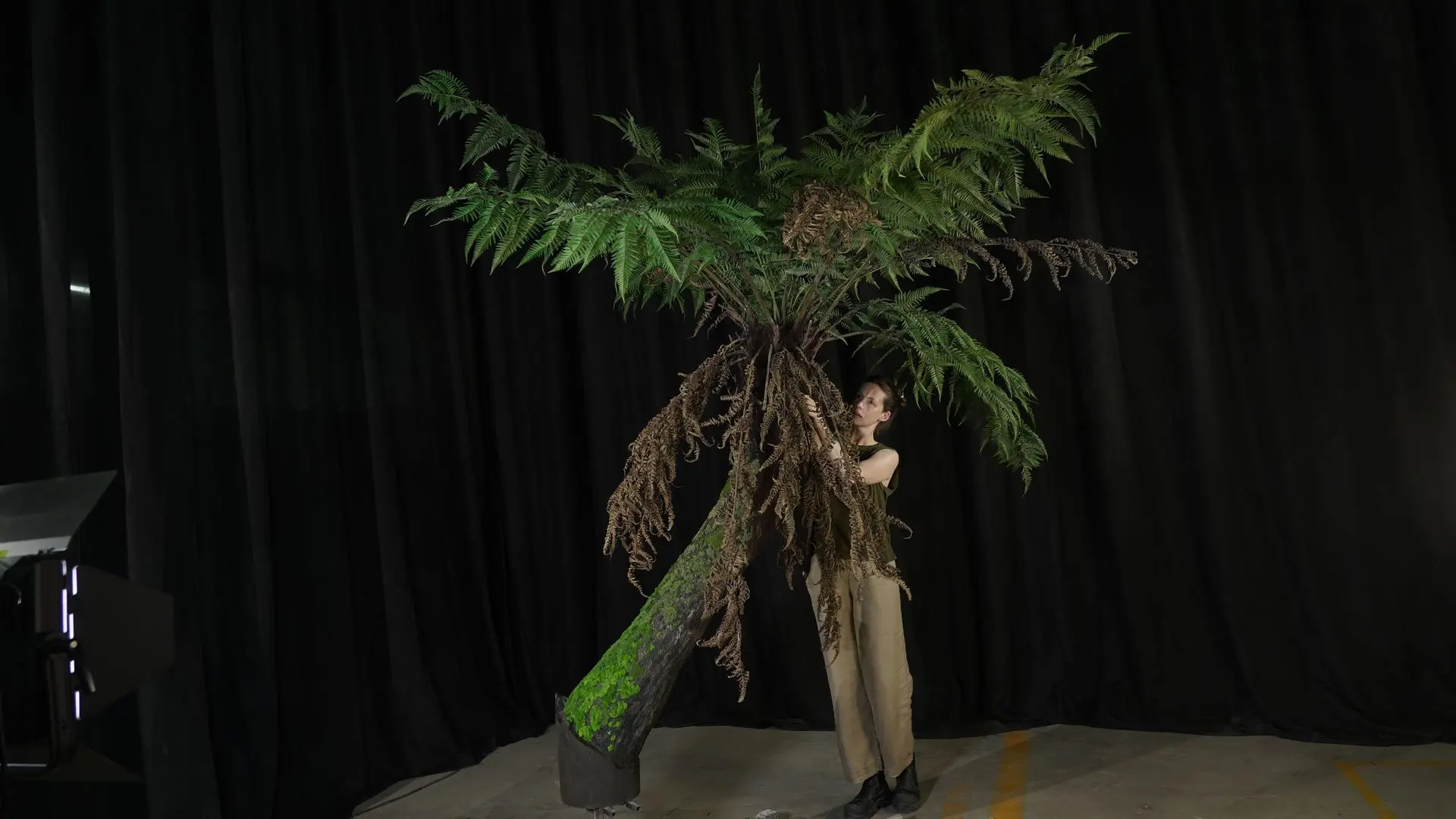
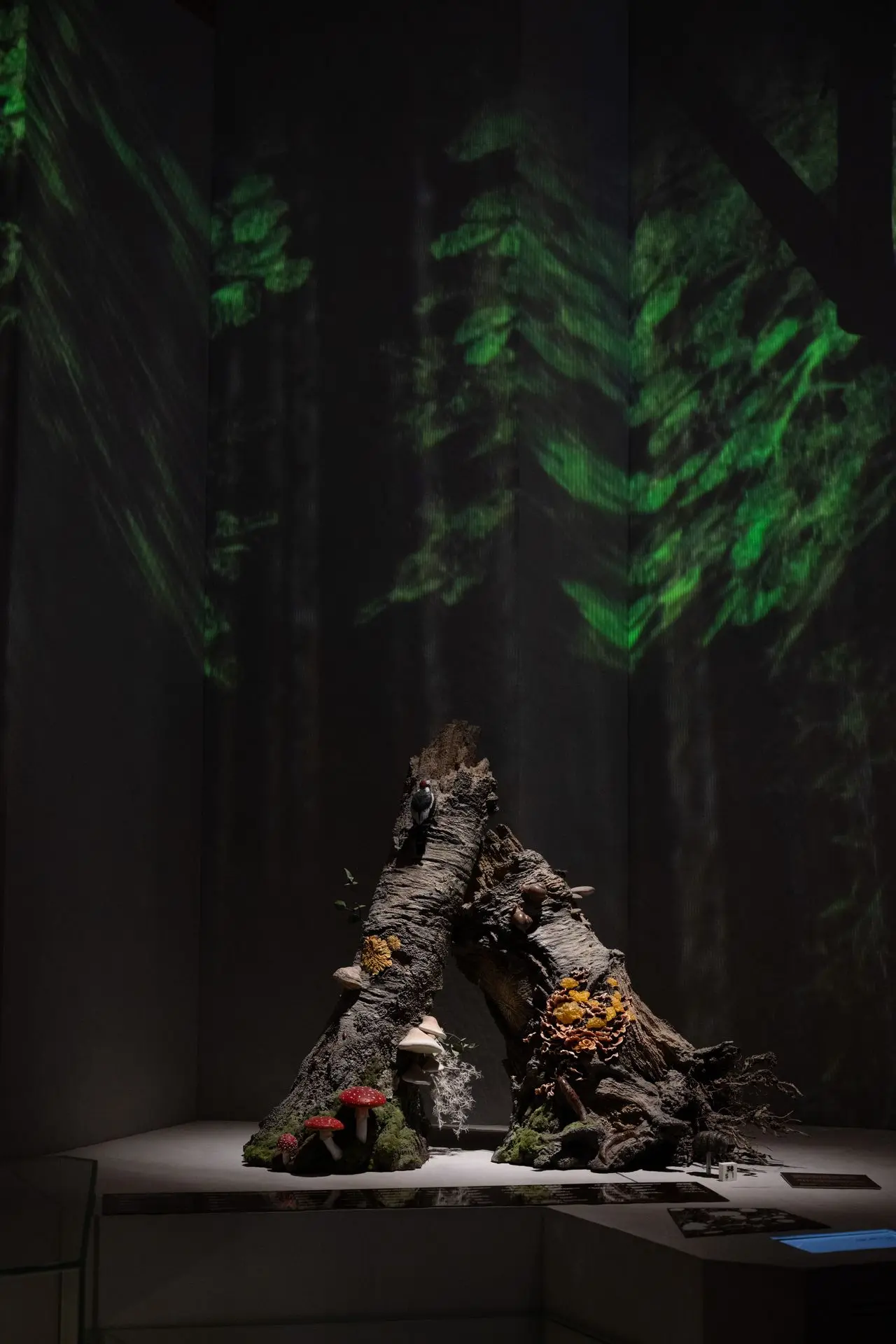
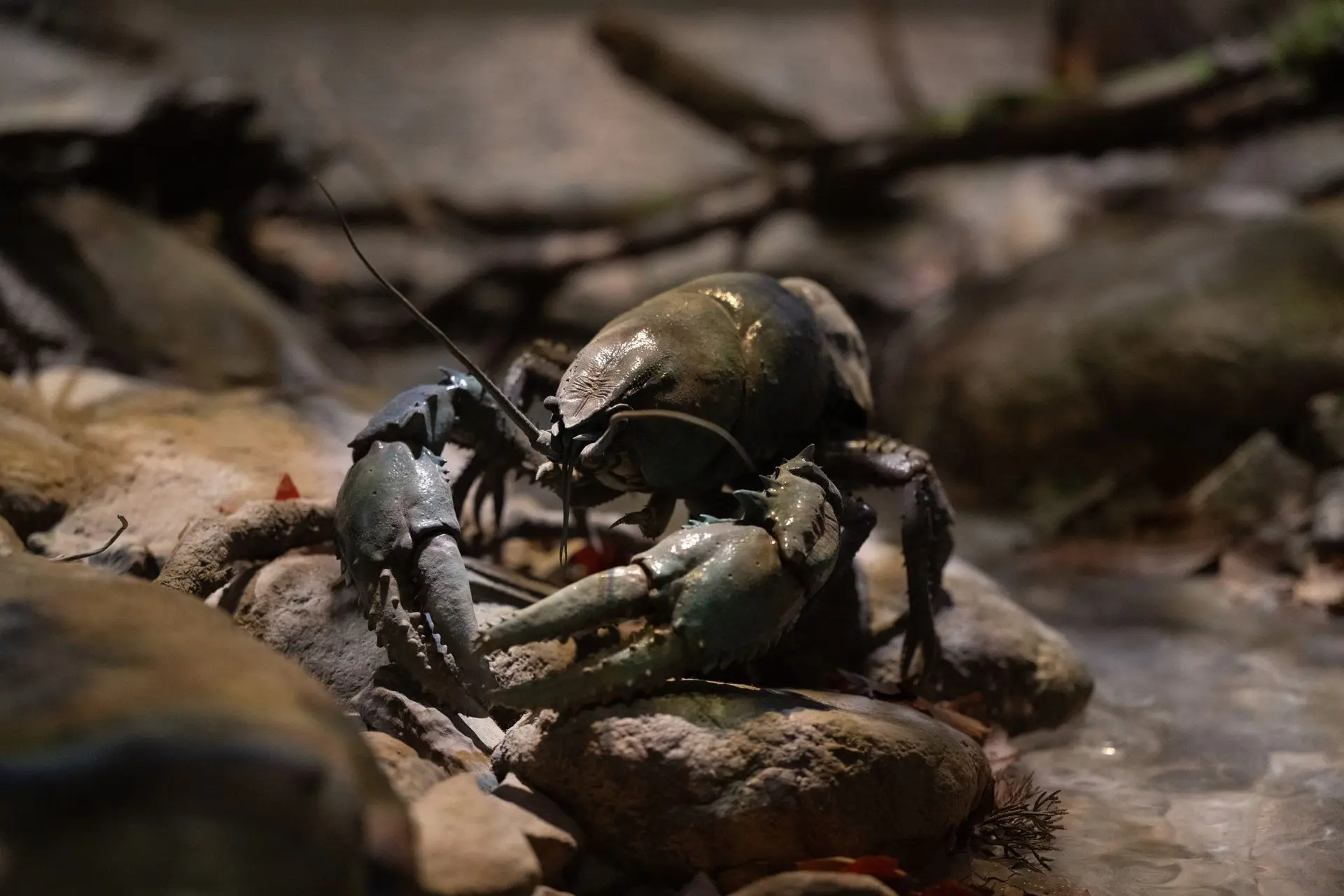
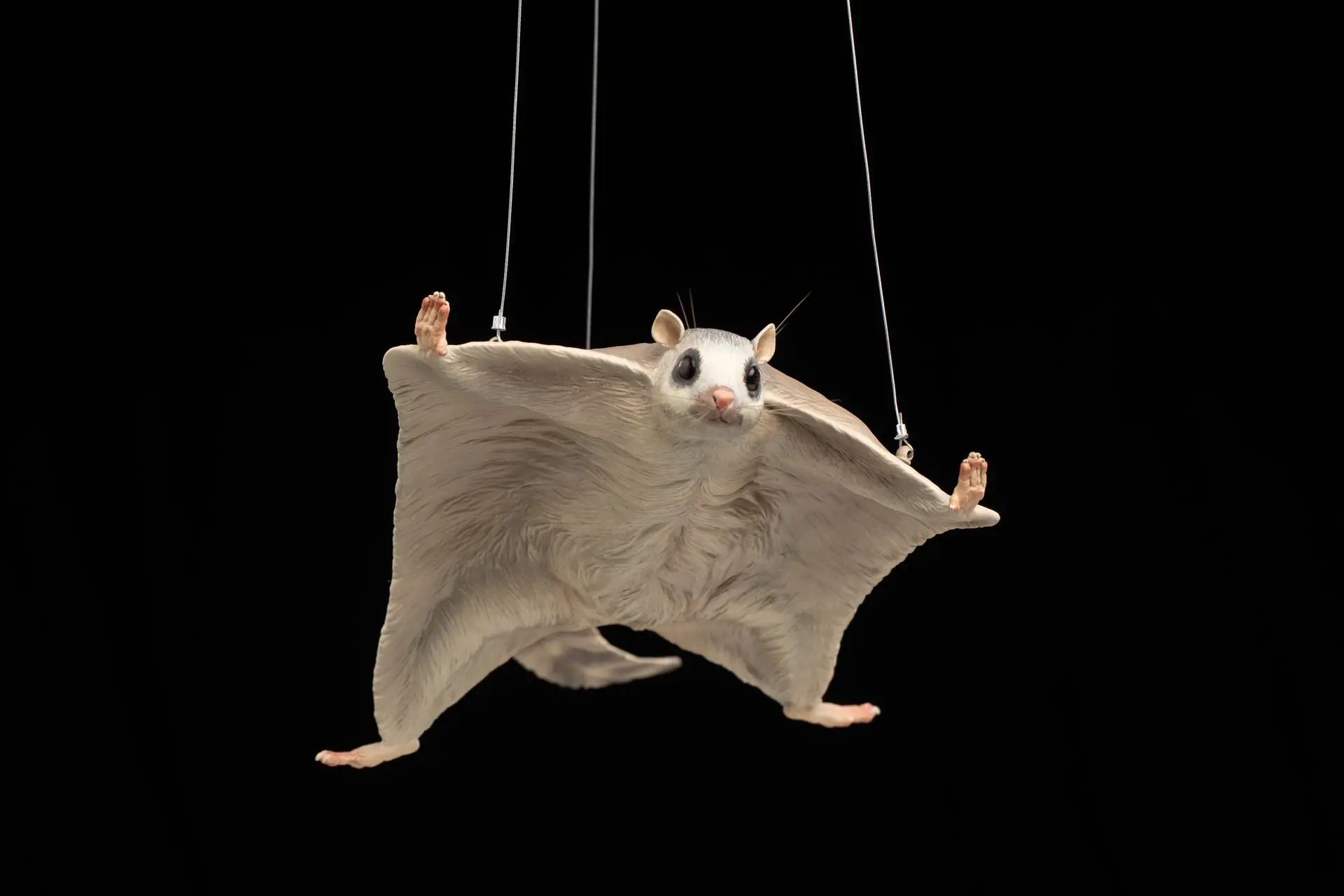
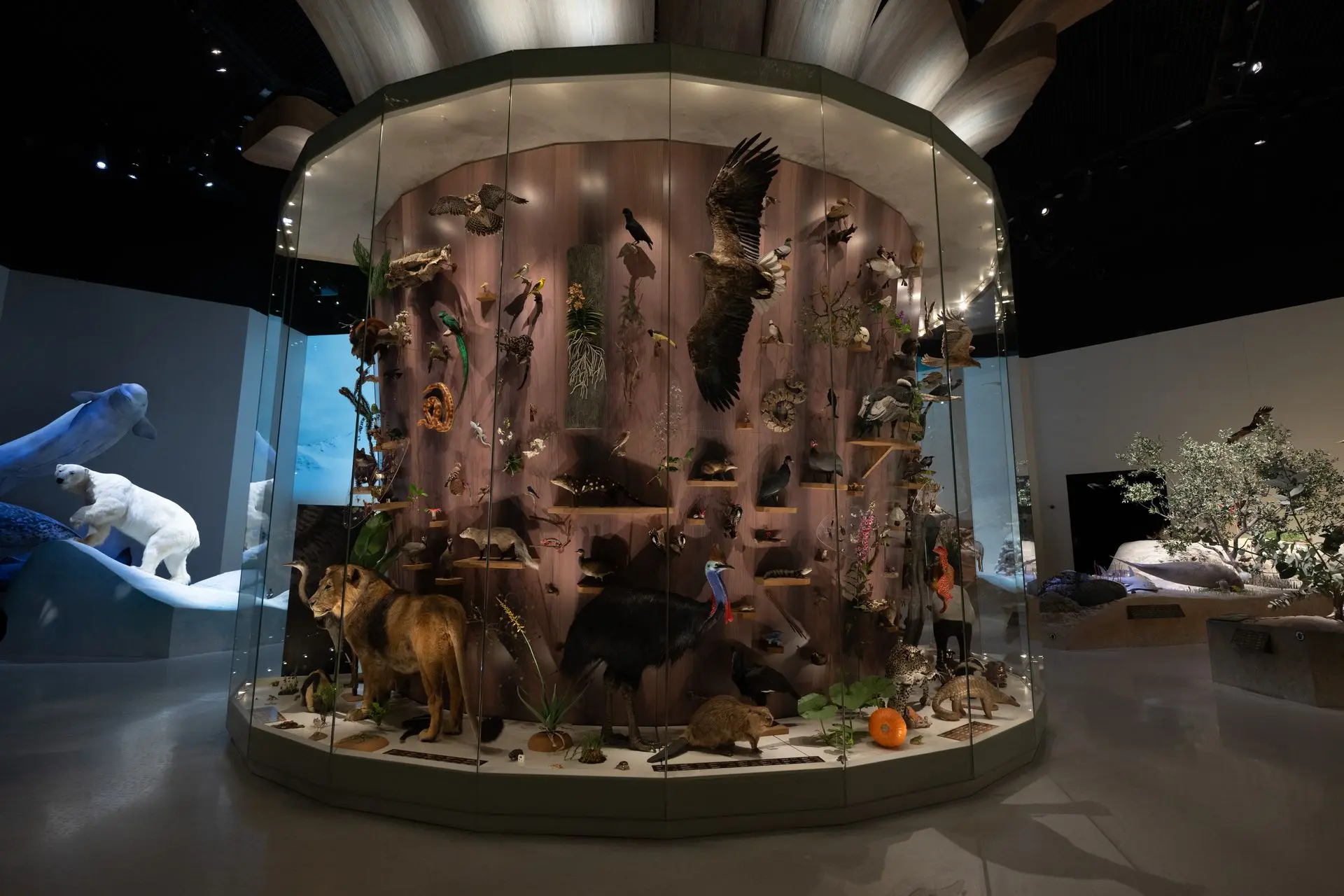
Elsewhere, semi-translucent models of today’s endangered animals are illuminated in a sobering display of our present species “fading away”, while a Tasmanian biome in the Our World gallery charts life on our planet. Outside, more than 100 bronze sculptures of animals found in the Arabian Peninsula and at local wadis — river valleys cut into the desert — trace the history of the region.
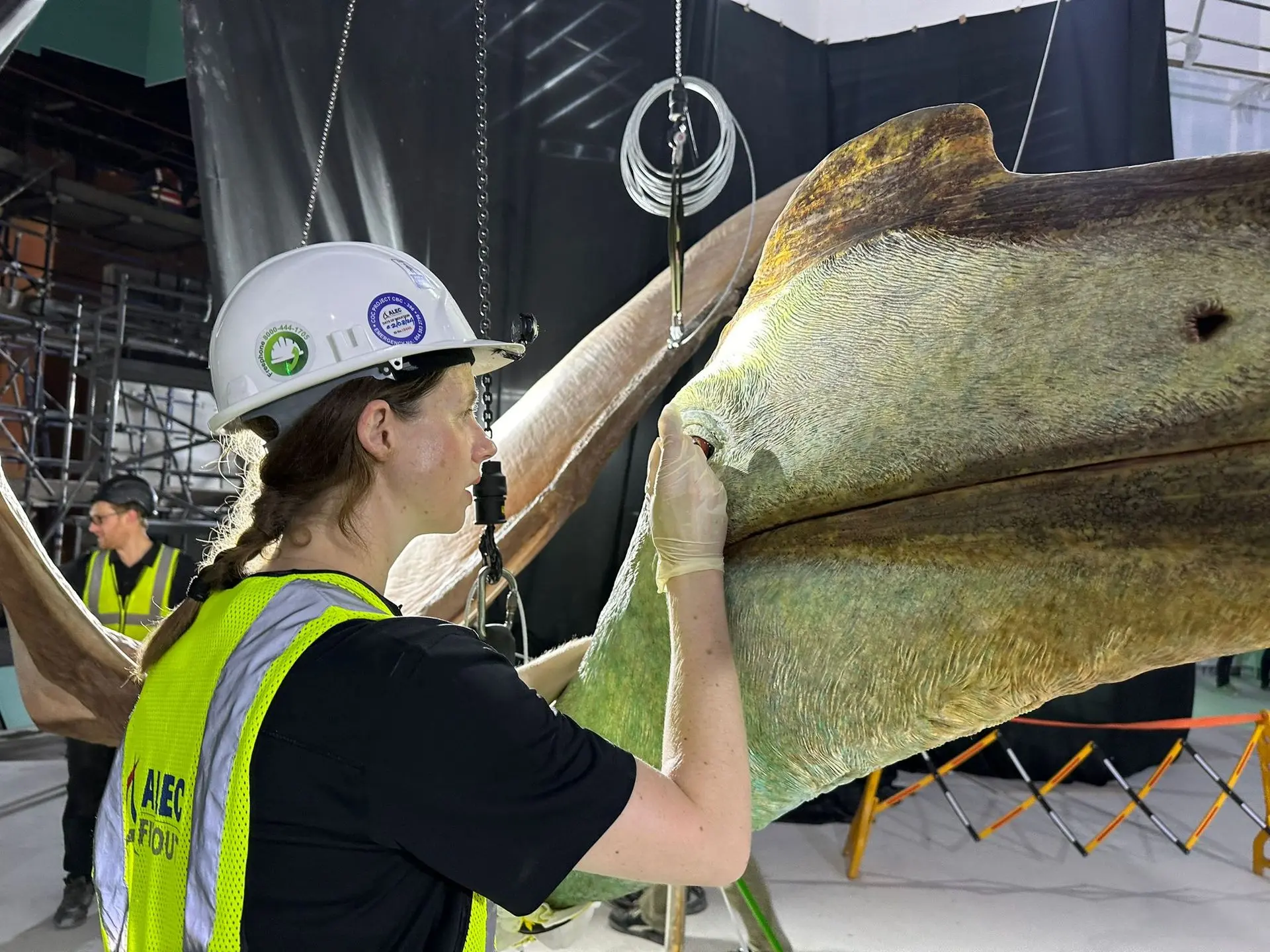
Using bone and fossil evidence as a guide, as well as paleoart provided by Spain-based design company Icaria Atelier and Abu Dhabi’s Department of Culture and Tourism, we worked closely with subject matter experts to ensure that our full-scale models in the Natural History Museum Abu Dhabi were not only anatomically correct but displayed in a way that felt believable, down to the gesture of a limb and the texture of skin.
The reconstructions of extinct species on display are the result of countless discussions and lively online workshops, where we worked directly with palaeontologists and researchers, sharing progress and refining the smallest of details to ensure each model was as close to reality as possible.
For Jane Wenley, Art Director at Wētā Workshop, it was a fascinating and deeply rewarding process. “Sculptors often work with careful consideration of anatomy, but you generally have some real-life reference to inform your decision-making,” she says. “For these reconstructions, the structure of bones informed not only the muscular forms of the animal, but also provided clues to how they move, and in turn how they lived.” It’s the first time some of these animals have ever been represented through fully fleshed reconstructions.
These species — their reconstructions and their fossils — play an important part in educating future generations, illustrating animal behaviour and preserving a wealth of scientific knowledge. “To show hyper-realistic realisations of the animals, particularly the extinct species, lets us look through a window to the past and helps viewers to understand the magnitude of the world as it was,” says Rob Gillies, General Manager of Manufacture at Wētā Workshop.
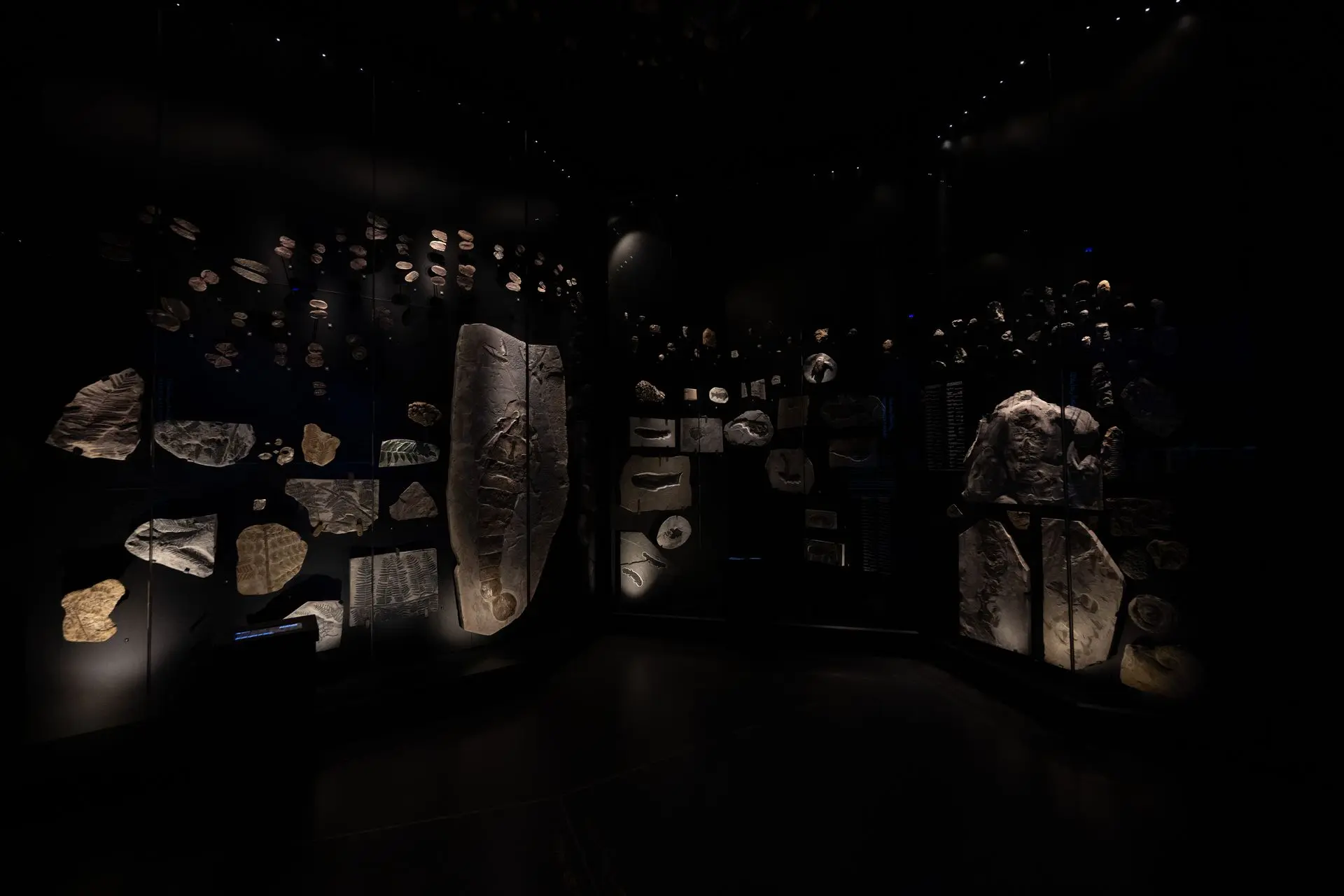
As this cultural destination took form, Wētā Workshop was also approached to display some of the museum’s fossil collection in a creatively exciting way, helping to share knowledge about how researchers collect fossils for study and preservation.
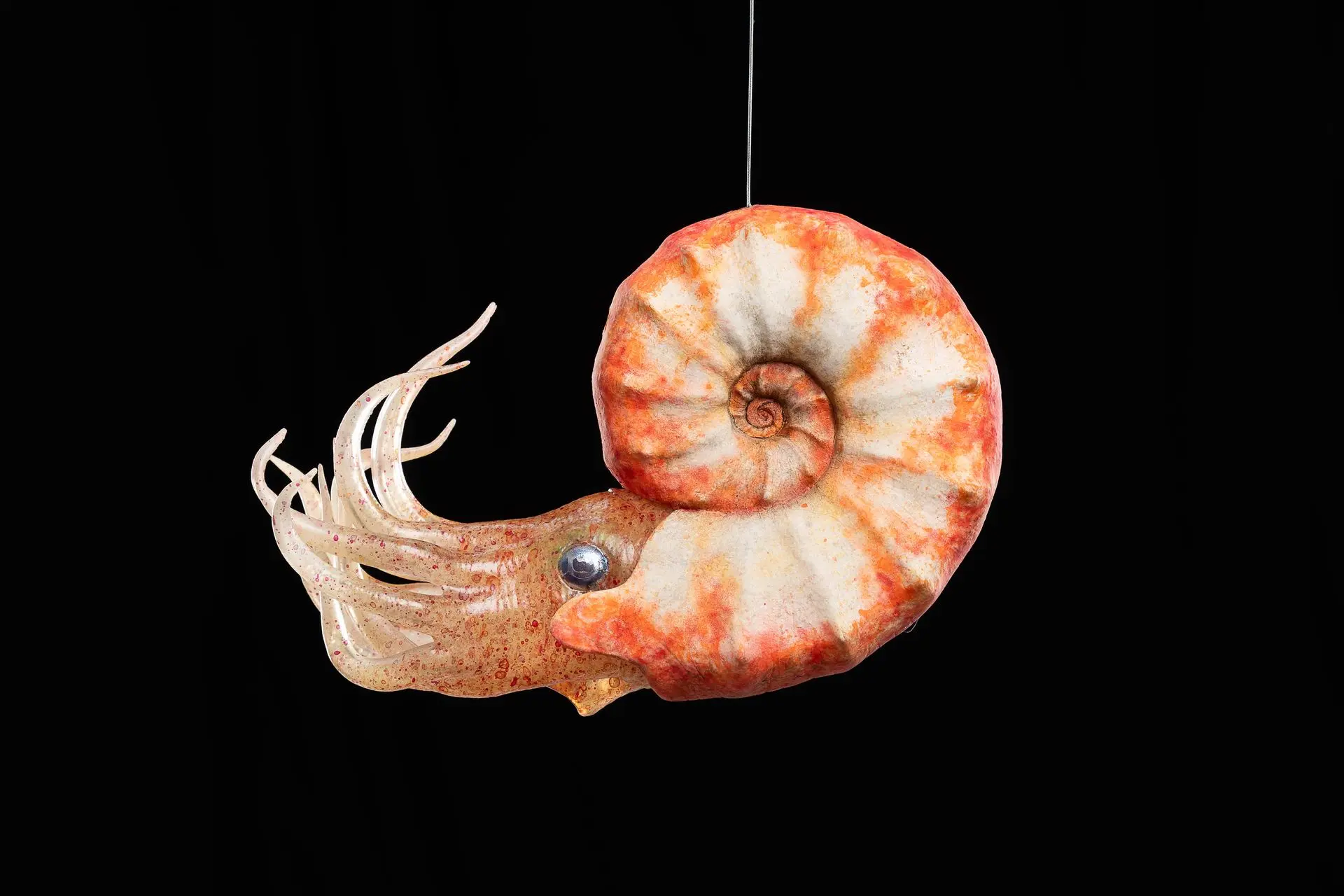
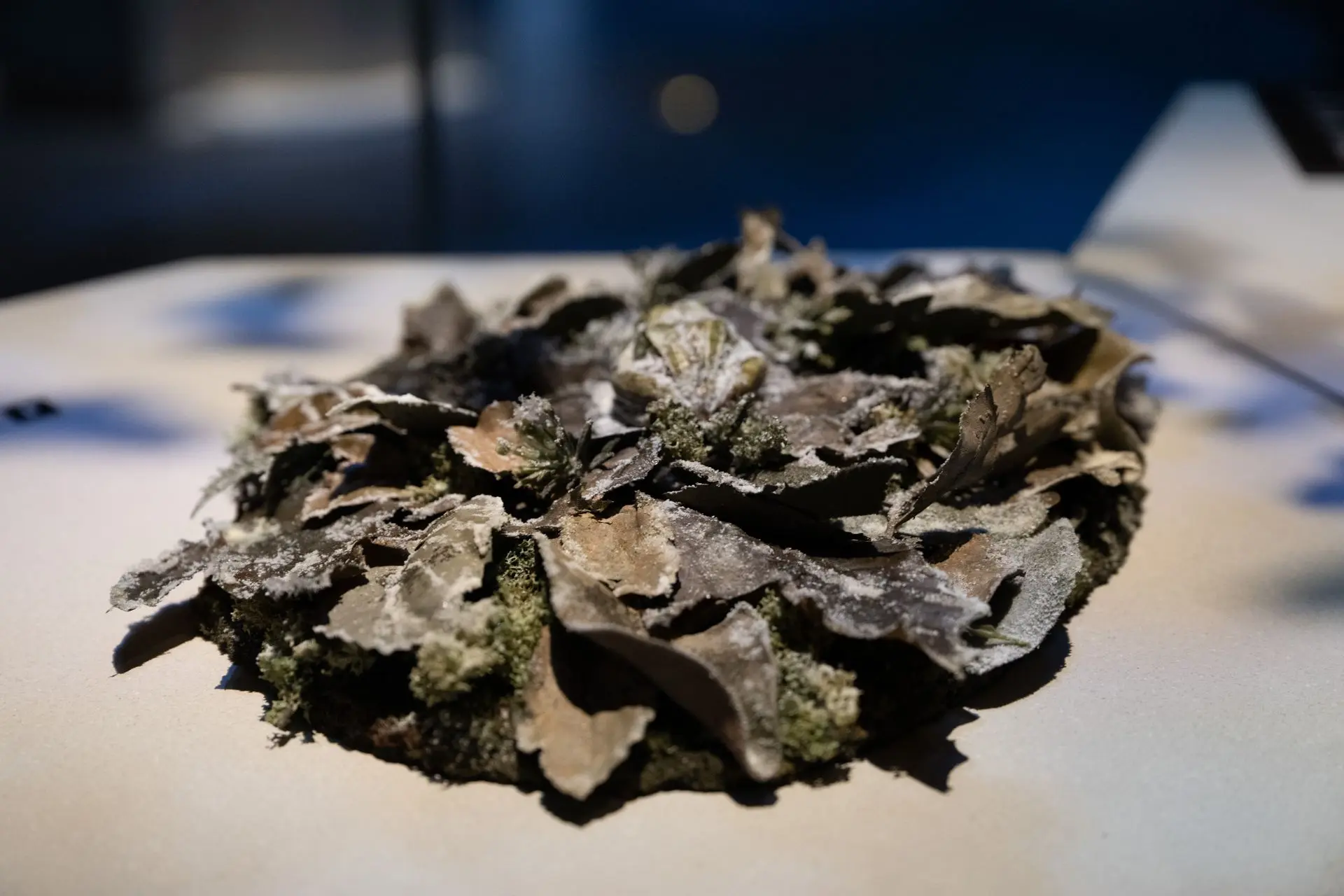
Visitors will discover variously sized marine life fossils placed in a flowing formation inspired by fins and water, guiding movement through the mezzanine. In another case, ancient specimens rest against the spirals of ammonites and the flower-like forms of crinoids — a trove of different geological epochs and ecosystems.
This extraordinary museum stands as a testament to the vision and dedication of the Department of Culture and Tourism – Abu Dhabi, whose leadership and commitment to arts and entertainment continue to shape the region’s cultural landscape.
We were privileged to contribute as part of the wider project team, working closely with Alec Fitout and Miral, who have been instrumental in driving the fitout and delivery of this remarkable museum.
This project would not have been possible without the close collaboration of Sean Huang and his extraordinary team at Acrostar in Beijing. Huang has been a trusted collaborator of ours for many years, and on this project, he brought the full weight of his talents, and those of his crew, to help Wenley and our team bring this significant body of work to life.
“We hold the work we’ve done for the Natural History Museum Abu Dhabi particularly close to our hearts,” says Gillies. “It presented a unique opportunity for us to put all of our creative skills and firepower into a project of significant importance to the world around us.”
Find out more about the Natural History Museum Abu Dhabi at nhmad.ae.
Discover the wonders of our world in Abu Dhabi’s Saadiyat Cultural District
Abu Dhabi’s Saadiyat Cultural District has taken form as a constellation of renowned institutions. The Louvre Abu Dhabi, teamLab Phenomena Abu Dhabi and the Guggenheim Abu Dhabi are all poised to be within walking distance. Now, it’s welcomed another to its vibrant hub: the Natural History Museum Abu Dhabi, which opened its doors to the public in November of 2025.
Beginning in May of 2023, Wētā Workshop created over 300 hyperrealistic models and dioramas for this world-class cultural destination in the United Arab Emirates, working closely with our manufacturing partner, Acrostar. Spanning numerous galleries, immersive displays and interactive exhibits, these pieces help guide visitors through the extraordinary beauty and diversity of our planet. Some models are monumental: a 15-metre-long Shastasaurus, one of the largest known marine reptiles, is suspended in an atrium, as if propelled by its flippers in the great depths of the ocean. Others are as small as 8mm bees.
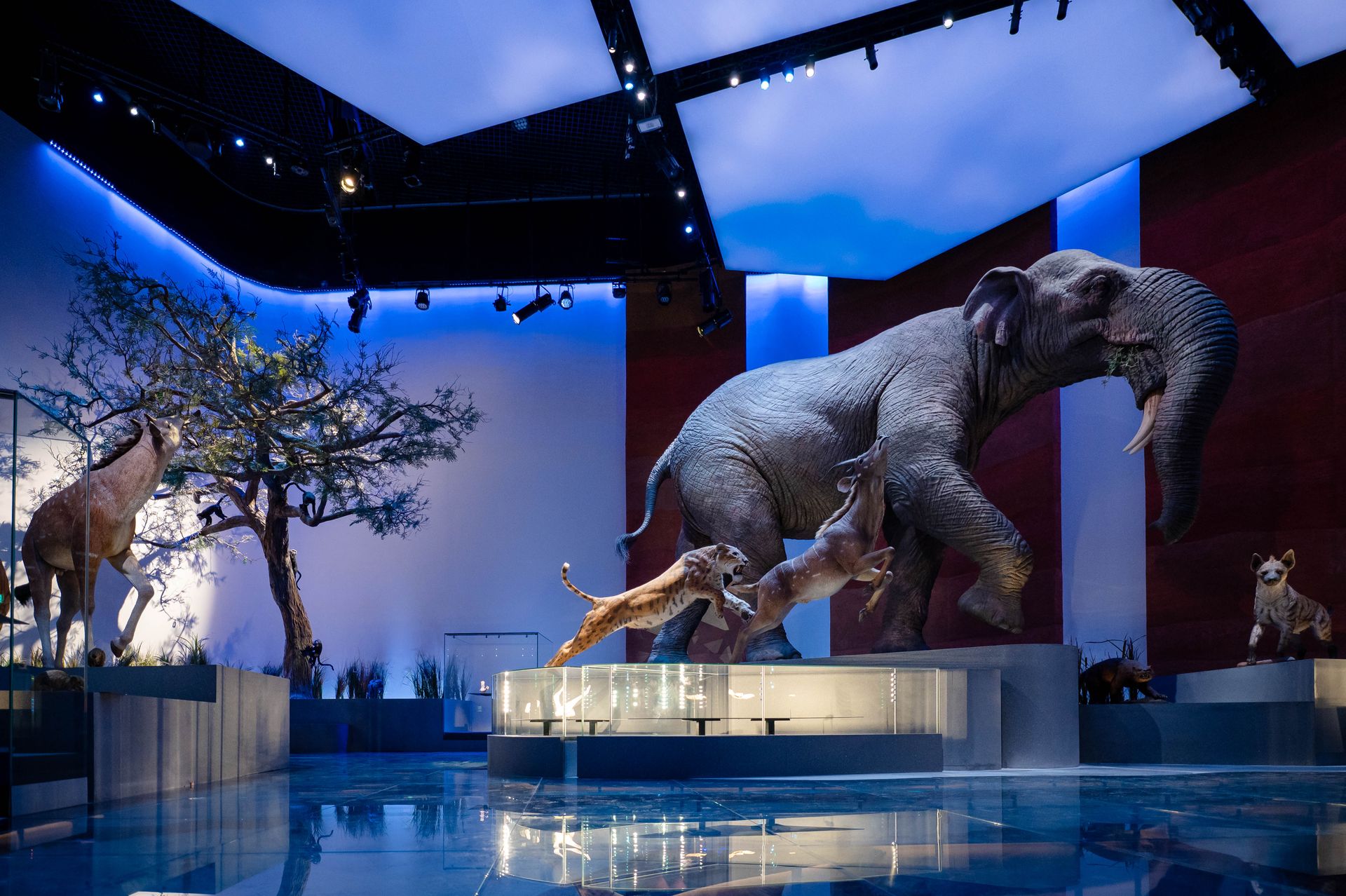
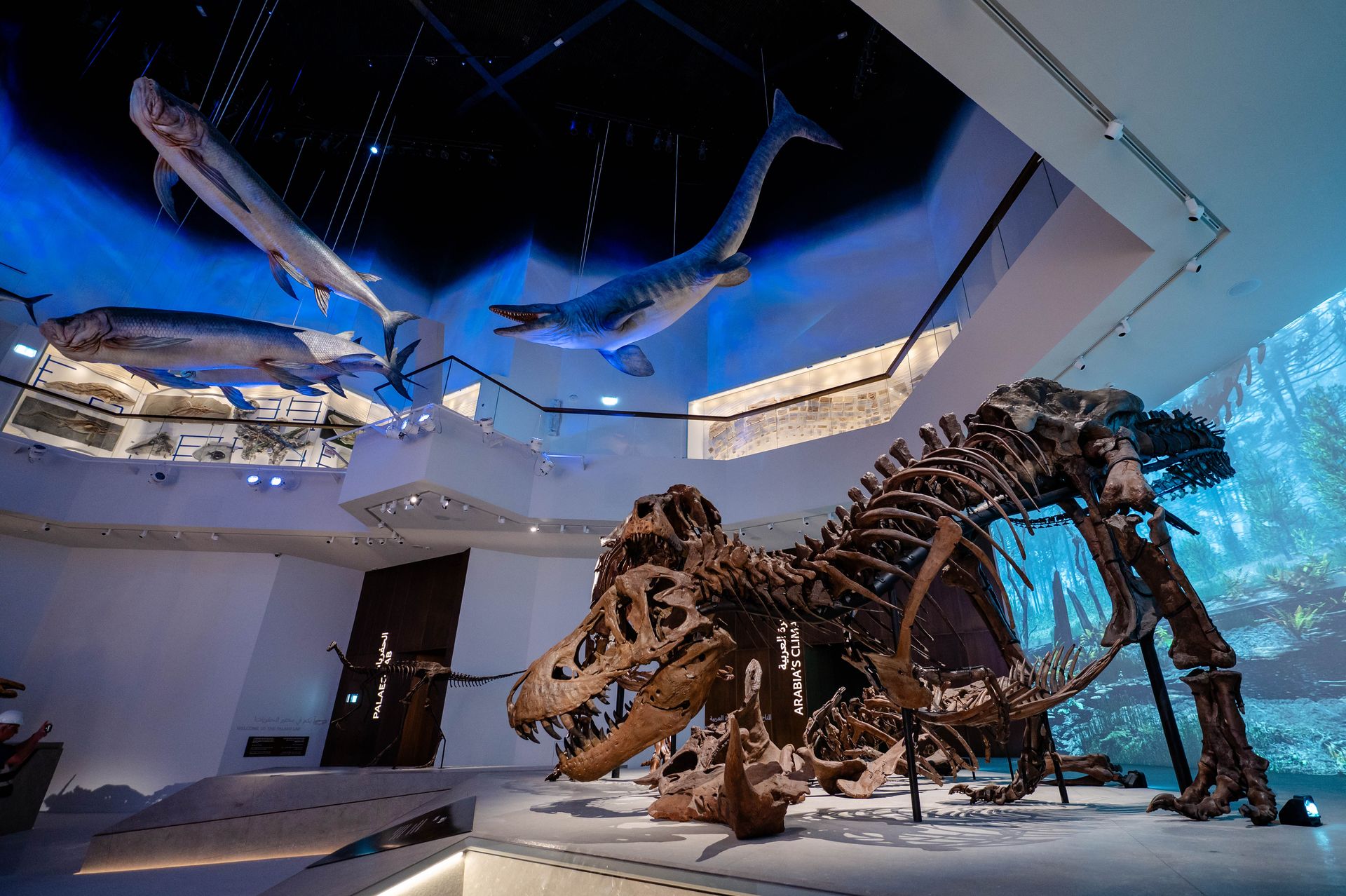
Across more than 35,000 square metres, the museum, designed by architecture firm Mecanoo, invites visitors on a journey through hundreds of millions of years of natural history. A hyperrealistic model of a Liopleurodon, a marine reptile with rows of sharp teeth, resides in its galleries alongside other models of pterosaurs and lizards from the Mesozoic era, a flock of birds from the Cretaceous, and a herd of animals from the Cenozoic.
Elsewhere, semi-translucent models of today’s endangered animals are illuminated in a sobering display of our present species “fading away”, while a Tasmanian biome in the Our World gallery charts life on our planet. Outside, more than 100 bronze sculptures of animals found in the Arabian Peninsula and at local wadis — river valleys cut into the desert — trace the history of the region.
Using bone and fossil evidence as a guide, as well as paleoart provided by Spain-based design company Icaria Atelier and Abu Dhabi’s Department of Culture and Tourism, we worked closely with subject matter experts to ensure that our full-scale models in the Natural History Museum Abu Dhabi were not only anatomically correct but displayed in a way that felt believable, down to the gesture of a limb and the texture of skin.
The reconstructions of extinct species on display are the result of countless discussions and lively online workshops, where we worked directly with palaeontologists and researchers, sharing progress and refining the smallest of details to ensure each model was as close to reality as possible.

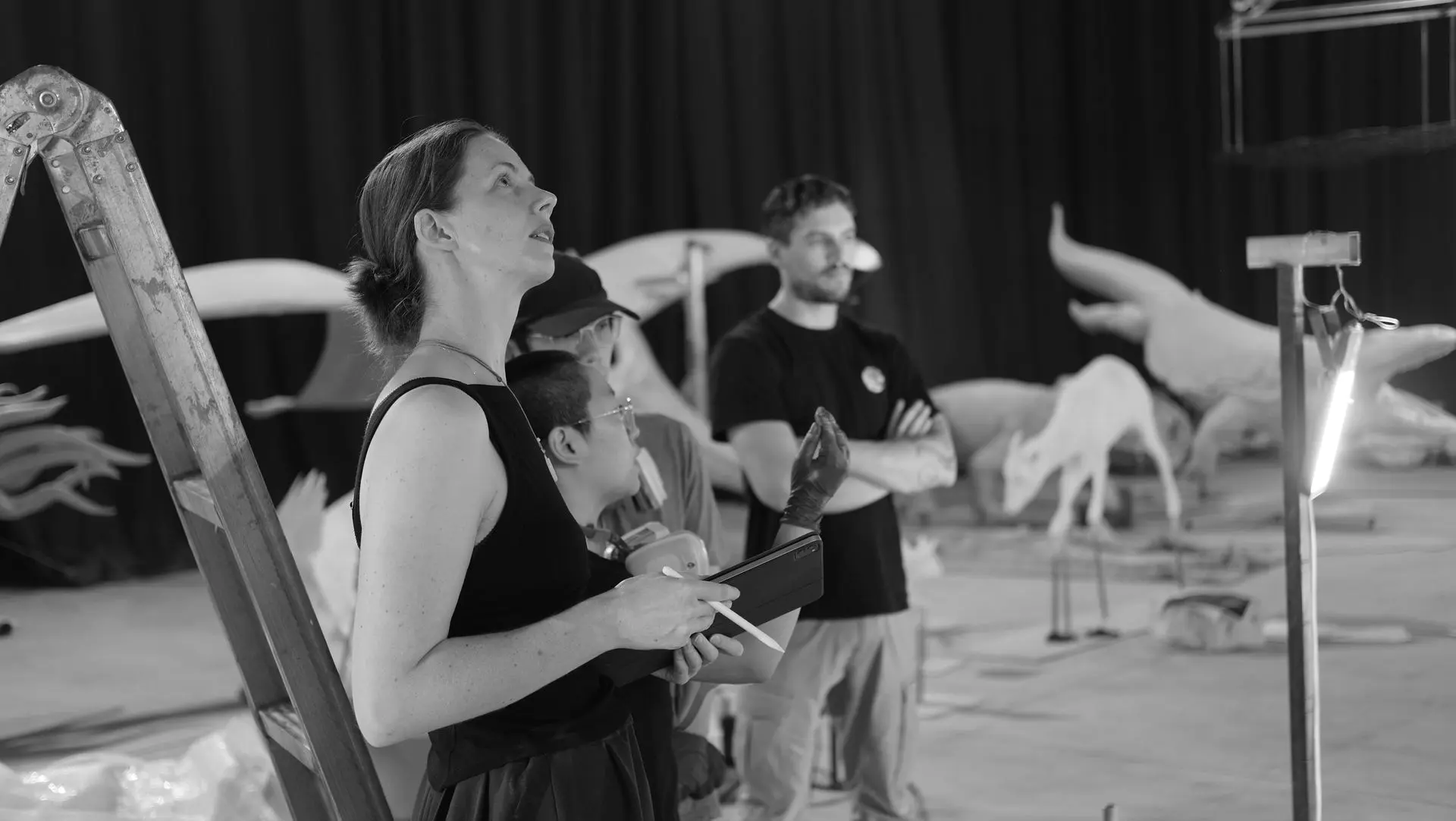
For Jane Wenley, Art Director at Wētā Workshop, it was a fascinating and deeply rewarding process. “Sculptors often work with careful consideration of anatomy, but you generally have some real-life reference to inform your decision-making,” she says. “For these reconstructions, the structure of bones informed not only the muscular forms of the animal, but also provided clues to how they move, and in turn how they lived.” It’s the first time some of these animals have ever been represented through fully fleshed reconstructions.
These species — their reconstructions and their fossils — play an important part in educating future generations, illustrating animal behaviour and preserving a wealth of scientific knowledge. “To show hyper-realistic realisations of the animals, particularly the extinct species, lets us look through a window to the past and helps viewers to understand the magnitude of the world as it was,” says Rob Gillies, General Manager of Manufacture at Wētā Workshop.
As this cultural destination took form, Wētā Workshop was also approached to display some of the museum’s fossil collection in a creatively exciting way, helping to share knowledge about how researchers collect fossils for study and preservation. Visitors will discover variously sized marine life fossils placed in a flowing formation inspired by fins and water, guiding movement through the mezzanine. In another case, ancient specimens rest against the spirals of ammonites and the flower-like forms of crinoids — a trove of different geological epochs and ecosystems.
This extraordinary museum stands as a testament to the vision and dedication of the Department of Culture and Tourism – Abu Dhabi, whose leadership and commitment to arts and entertainment continue to shape the region’s cultural landscape. We were privileged to contribute as part of the wider project team, working closely with Alec Fitout and Miral, who have been instrumental in driving the fitout and delivery of this remarkable museum.
This project would not have been possible without the close collaboration of Sean Huang and his extraordinary team at Acrostar in Beijing. Huang has been a trusted collaborator of ours for many years, and on this project, he brought the full weight of his talents, and those of his crew, to help Wenley and our team bring this significant body of work to life.
“We hold the work we’ve done for the Natural History Museum Abu Dhabi particularly close to our hearts,” says Gillies. “It presented a unique opportunity for us to put all of our creative skills and firepower into a project of significant importance to the world around us.”
Find out more about the Natural History Museum Abu Dhabi at nhmad.ae.
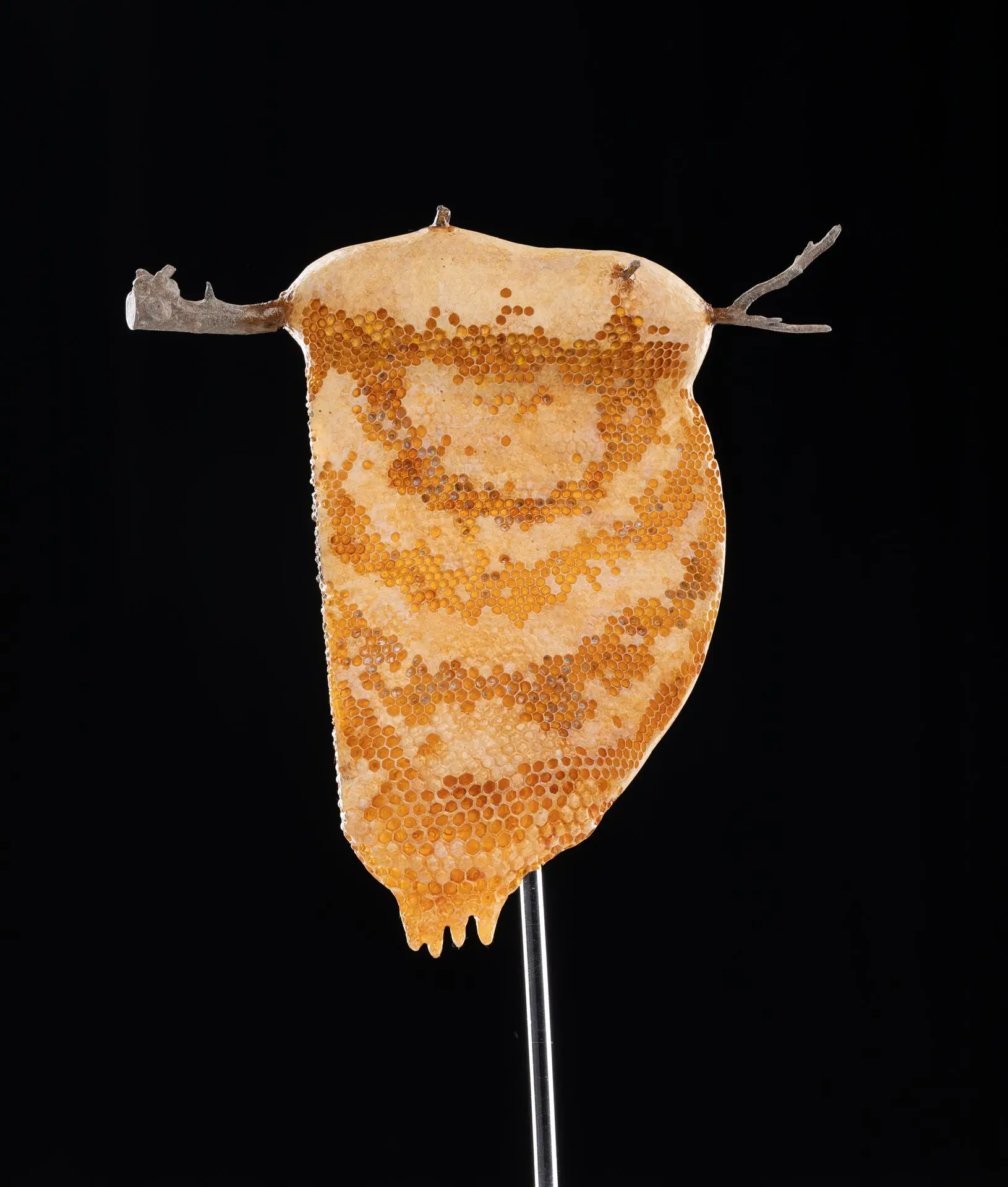
Related projects
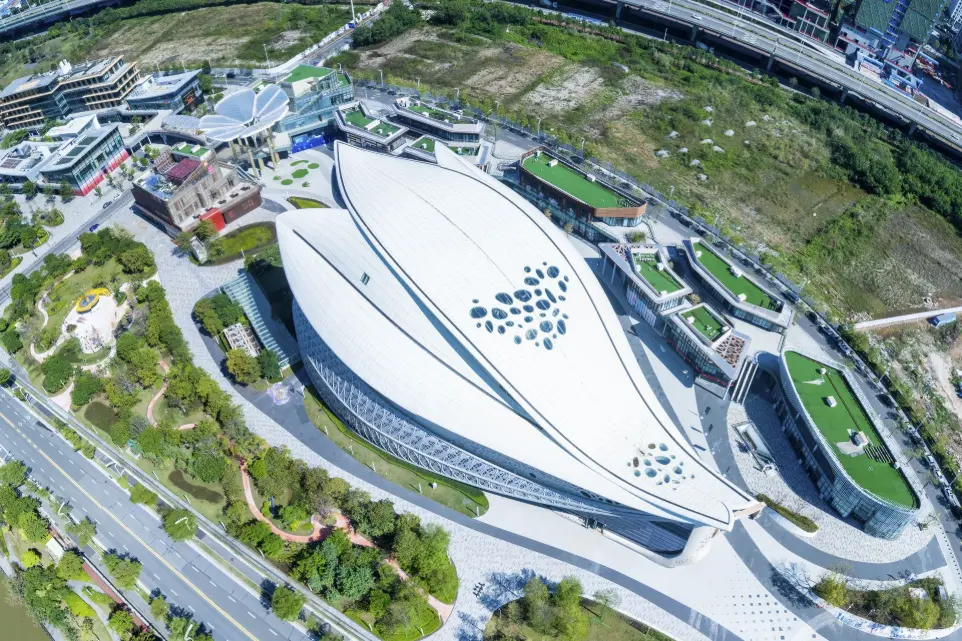
TCM Cultural Experience Center
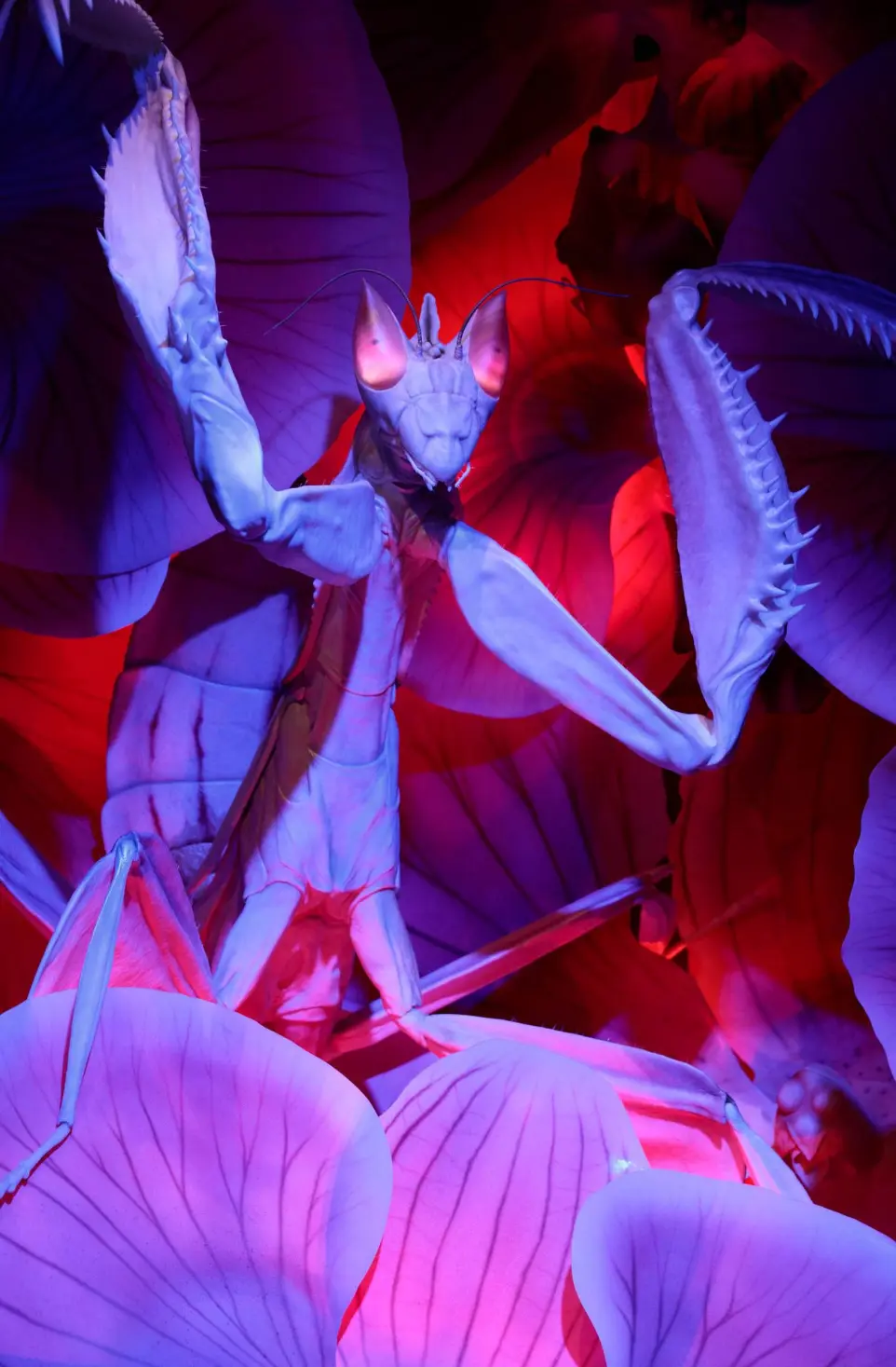
The Bug Lab
Immersive experiences • Design • Manufacture • Museum exhibitions • Travelling exhibitions
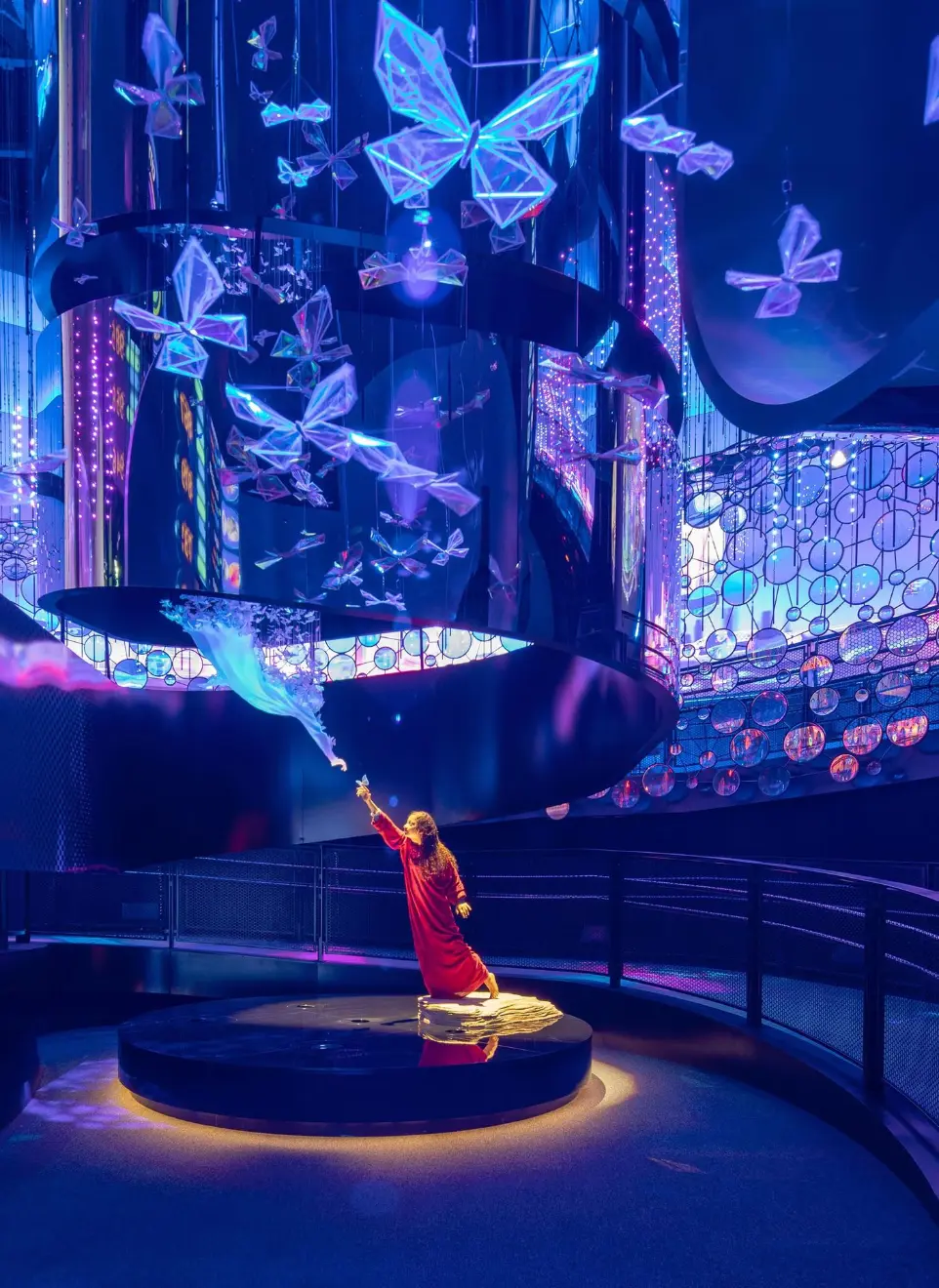
Alif: The Mobility Pavilion
Immersive experiences • Design • Manufacture • Cultural experiences
Related projects
TCM Cultural Experience Center
The Bug Lab
Immersive experiences • Design • Manufacture • Museum exhibitions • Travelling exhibitions
Alif: The Mobility Pavilion
Immersive experiences • Design • Manufacture • Cultural experiences