2 July, 2026
Meet the maker: Lead Concept Designer Thomas Oates
Film and television • Immersive experiences • Design • Games • Careers • Wētā Workshop
2 July, 2026
Meet the maker: Lead Concept Designer Thomas Oates
Film and television • Immersive experiences • Design • Games • Careers • Wētā Workshop
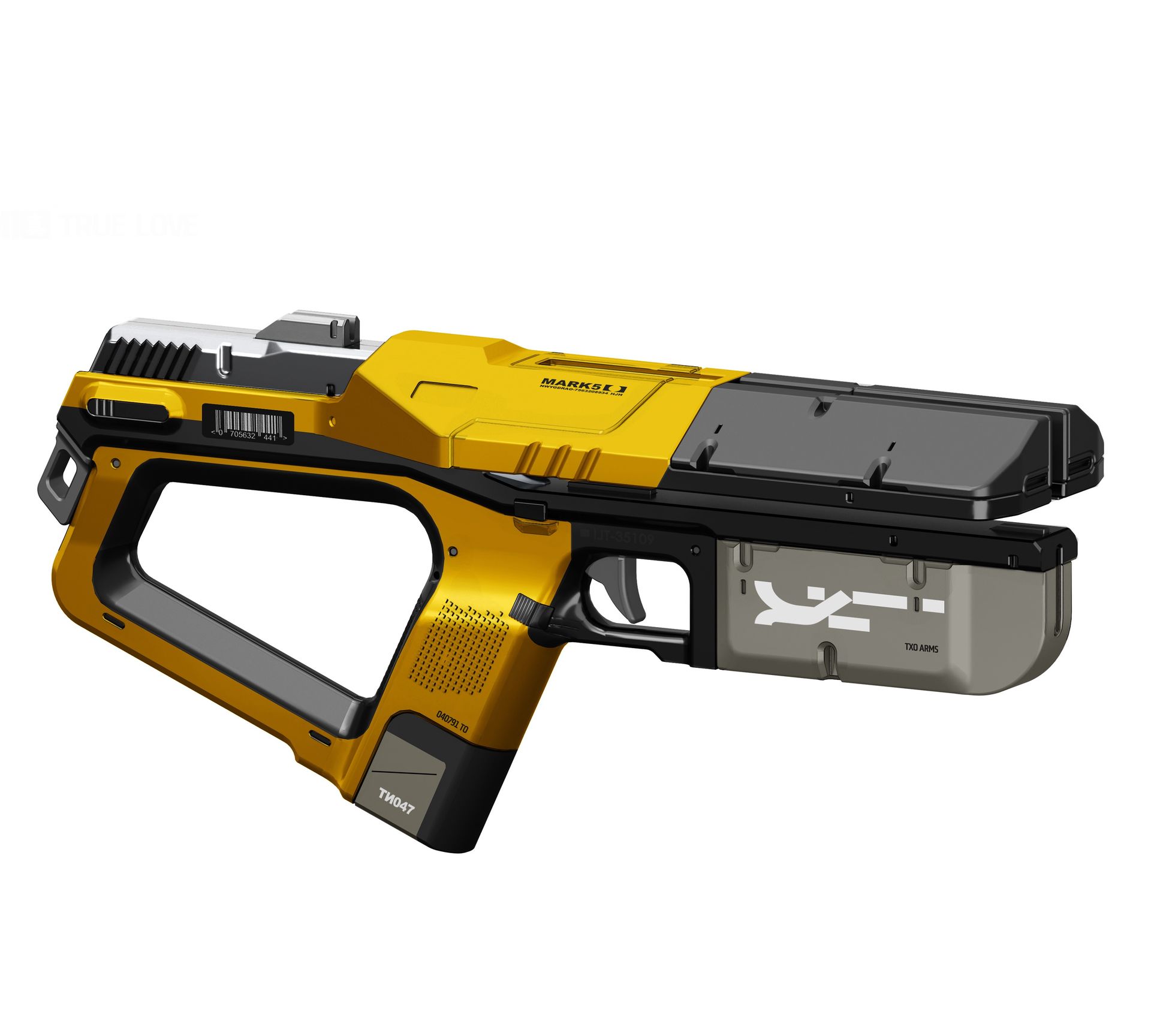
Thomas Oates is gifted in the art of making art. But as Lead Concept Designer at Wētā Workshop, one of his most fundamental skills is also being a problem solver. Sometimes the solution is practical: a prop that fulfils a specific physical function, like a slick sci-fi weapon with rotating magazines or homing projectiles. Sometimes the solution is more abstract: a costume that ties into the themes of a scene, perhaps beautiful or tragic or cinematic.
Since joining our Design Studio in 2017, Thomas has brought his problem-solving prowess and sharp eye to projects including Avatar: The Way of Water, Avatar: Fire and Ash, The Creator, M3GAN, Alien: Romulus and Predator: Badlands, to name a few. His week might begin with conceptualising robots for a blockbuster and end with designing an immersive installation for a museum.
Below, get to know more about his days, his designs and how he nourishes his creative side when he’s not working on them.
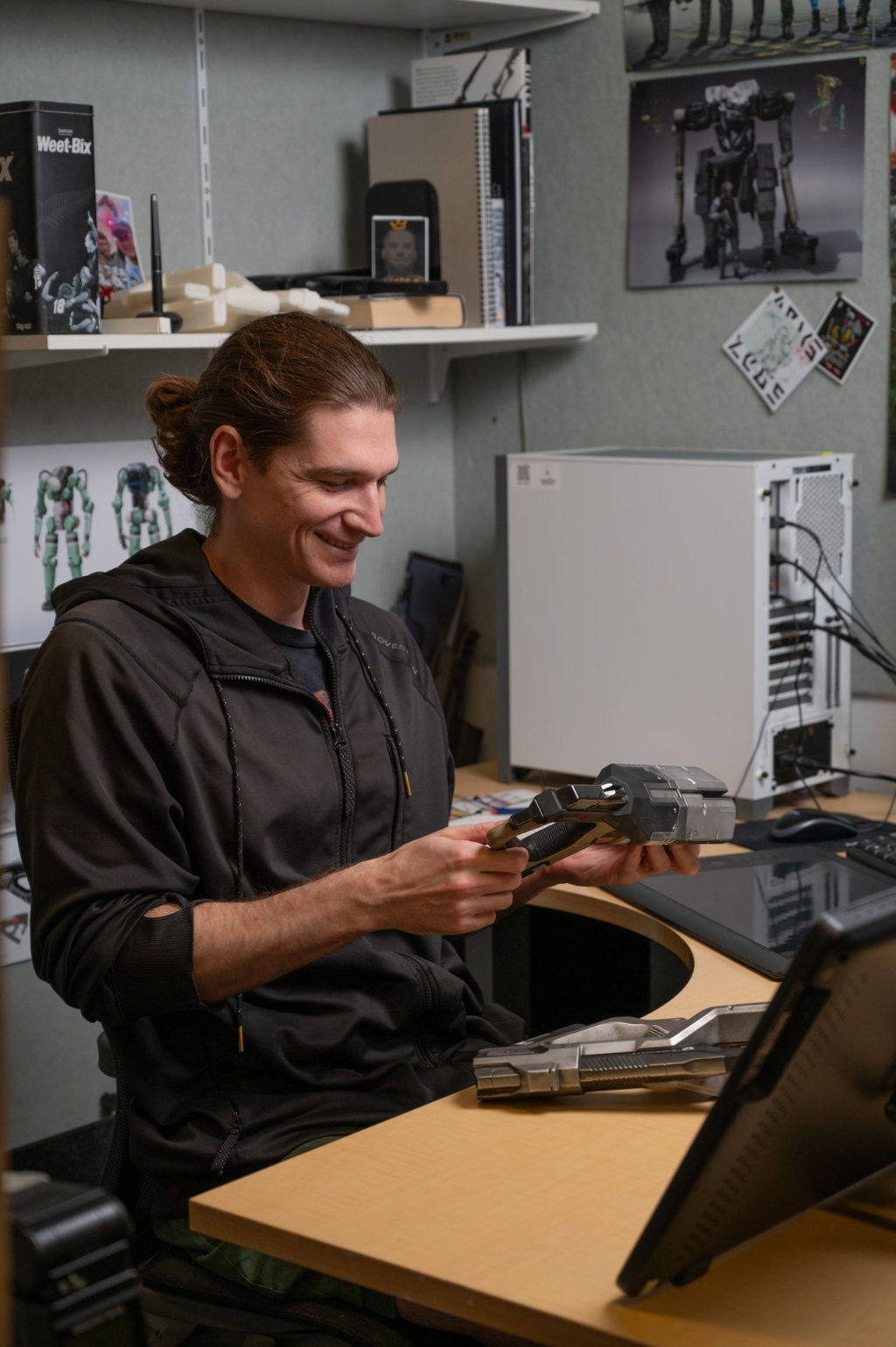
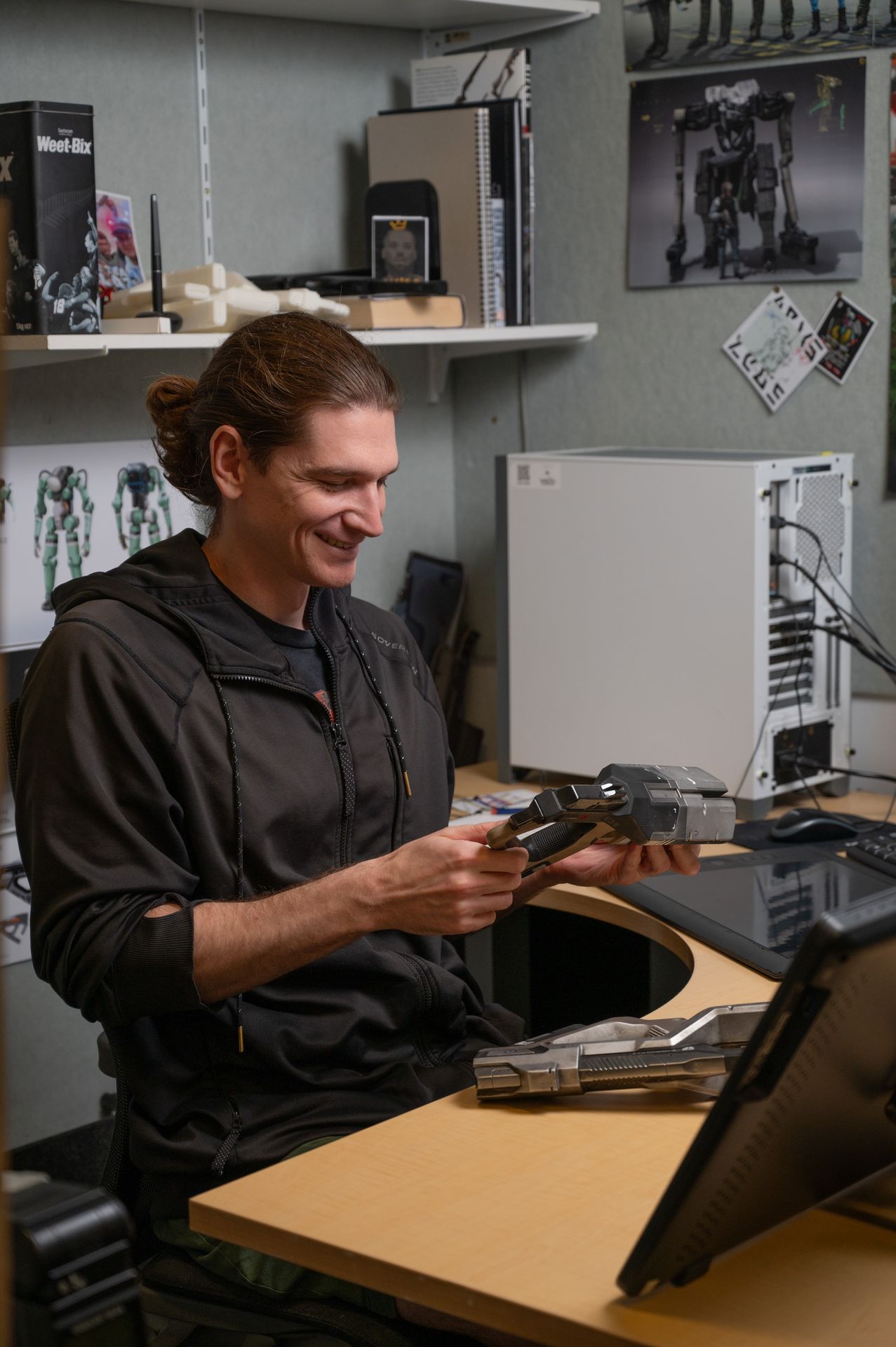
What is a typical day in the Wētā Workshop Design Studio like?
I often start my day warming up with a few sketches just to get my brain working. It helps trying to get most of the bad ideas out early in the day. Then the rest of my day is really a lot of sketching, painting and 3D modelling, with the odd meeting thrown in to make sure things haven’t gone too far off track. I try and get away for a walk or two to keep the blood moving, one in the morning and one in the afternoon. Then sprinkle a couple of bananas in there and that sounds like a typical day for me.
When did you realise you wanted to be a concept designer?
I always loved sci-fi and fantasy growing up, I was drawing Lightsabers and chainswords from an early age. I can still vividly recall seeing The Lord of the Rings: The Fellowship of the Ring in cinemas, and being so captivated by the world and its visuals.
My parents got me the ‘art of’ book for the film, and I remember realising that people were able to do this as a job; actually design new, unseen worlds. The book was filled with so many beautiful designs and illustrations that right then I knew I wanted to inspire people the way those artists inspired me.
What is your favourite part of concept design?
I think my favourite part of concept design is the creative collaboration.
You’re always working with someone to solve a problem. It can be working with a director to try and solve a tough design brief, working with the design team to brainstorm ideas for a world-building project, or working with our manufacture team to help translate a concept from the page into something they can build. The energy you get from working with other creatives is electric.
All the best things I’ve designed have been collaborative team efforts, and it’s a joy to work together with other creative people.
What’s your creative process?
After reading the brief, it always starts with research and reference gathering. That could be watching videos or reading articles to make sure I understand the way an object or concept works in real life, as well as gathering visual references and inspiration.
While I’m collecting all this information, I might be taking notes or making sketches of little ideas as I go. Using all these, I’ll then draw out a number of ideas very loosely, not worrying about keeping them clean or presentable, just trying to get them onto the page.
Then it’s taking the best of these ideas and painting them up to a point they can communicate the ideas clearly. I’ve left out a bunch of steps in the middle where I bang my head against a wall and forget how to draw, but otherwise that’s the bulk of my process.
On making designs believable.
Research and reference are key to making designs feel believable. Keeping things understandable visually by referencing real-world analogues helps give us an anchor when we’re viewing anything. Keeping some visual cues from the real world, be those form or function, can help us believe even the most fantastical objects exist inside the fiction of a narrative.
There can also be a hierarchy of believability within the visual design of a shot. If we keep most of the elements in a scene understandable, we can push one or two elements further without breaking the feeling of believability. The more fantastical elements you add, the harder it can be to maintain that plausibility.
On storytelling.
Keeping the story or the scene in mind when designing can be hugely important. Visual design is mainly there in service of the story.
When designing, we’re often thinking about how we can reinforce the themes of a character or the tone of a scene with our designs. Can we help tell a character’s story arc or fill in their backstory with a costume piece? Can this prop tell us more about a person, or help sell the tone of the scene we’re in?
As much fun as it is to draw and design the coolest looking object you’re ever seen, if it doesn’t serve the story, it’s not serving the film.
Do you have a favourite moment from your career so far?
Avatar: The Way of Water, Avatar: Fire and Ash and The Creator were special films and teams to be a part of. I think all three productions were meaningful projects personally, and incredibly fun worlds to design for.
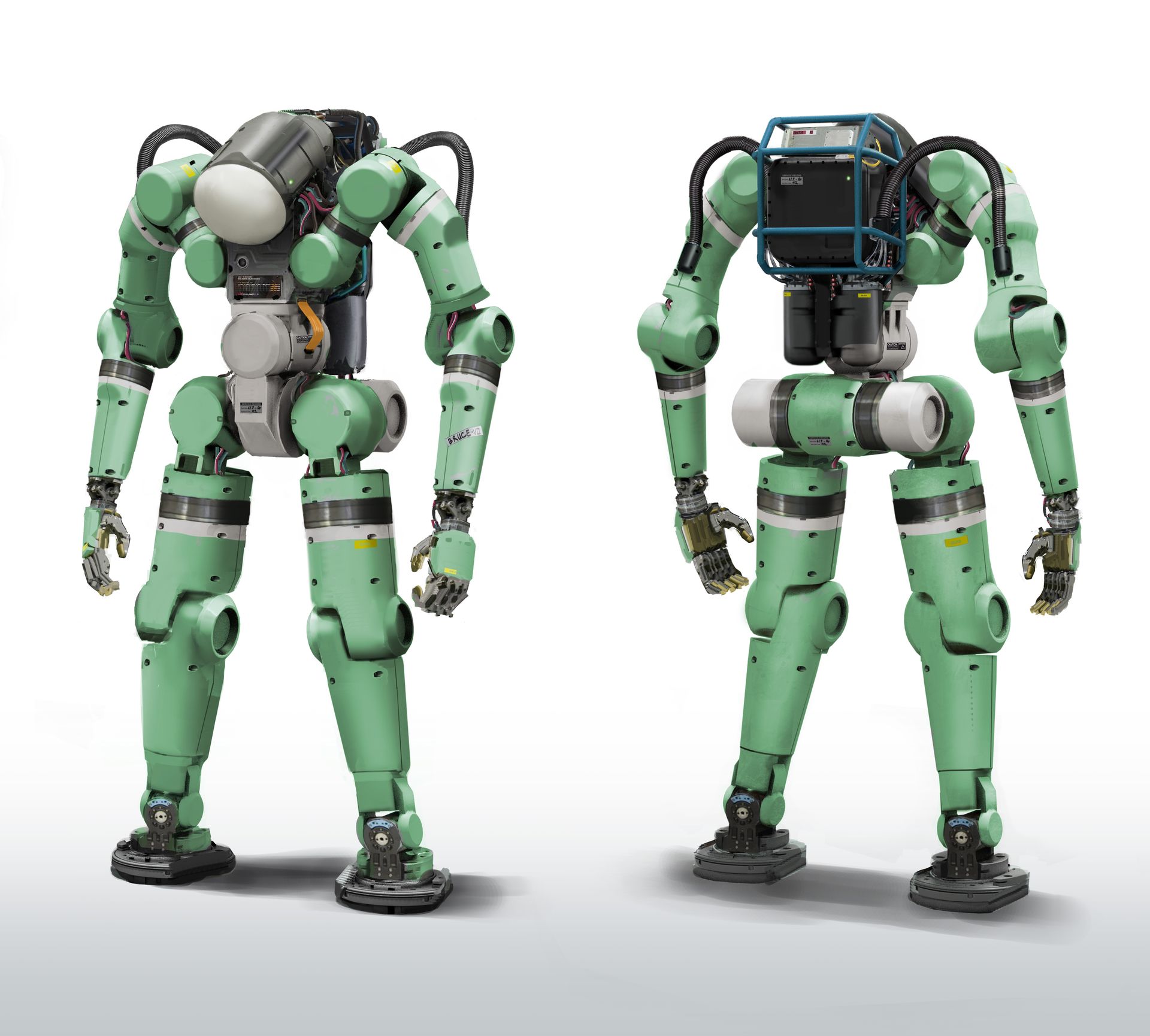
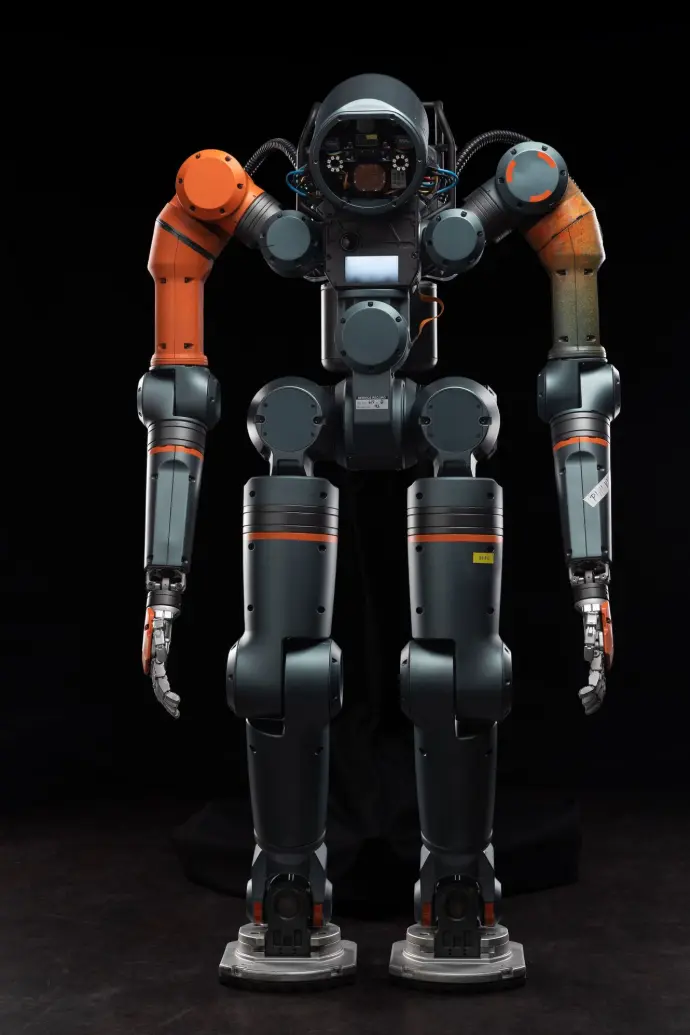
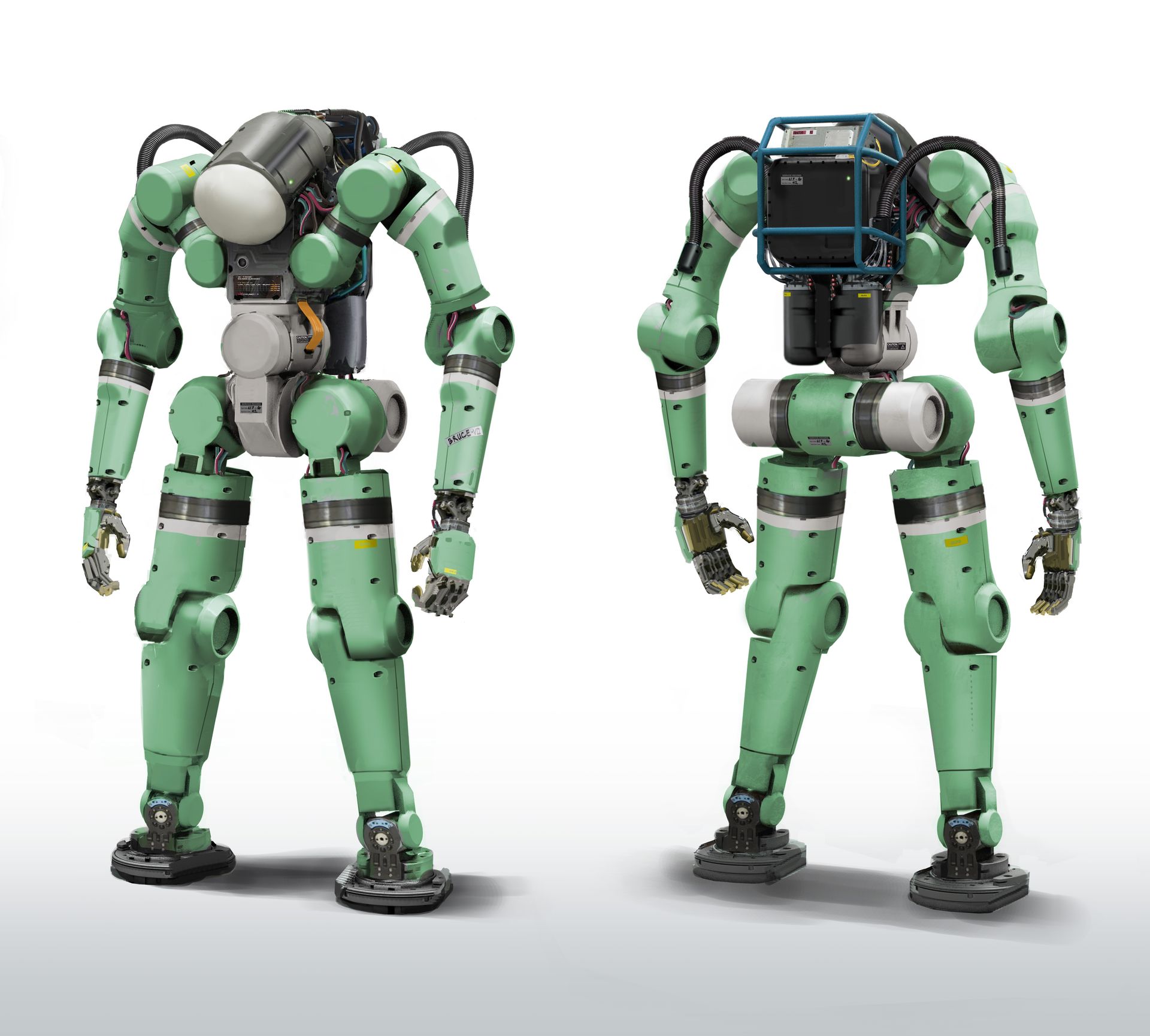
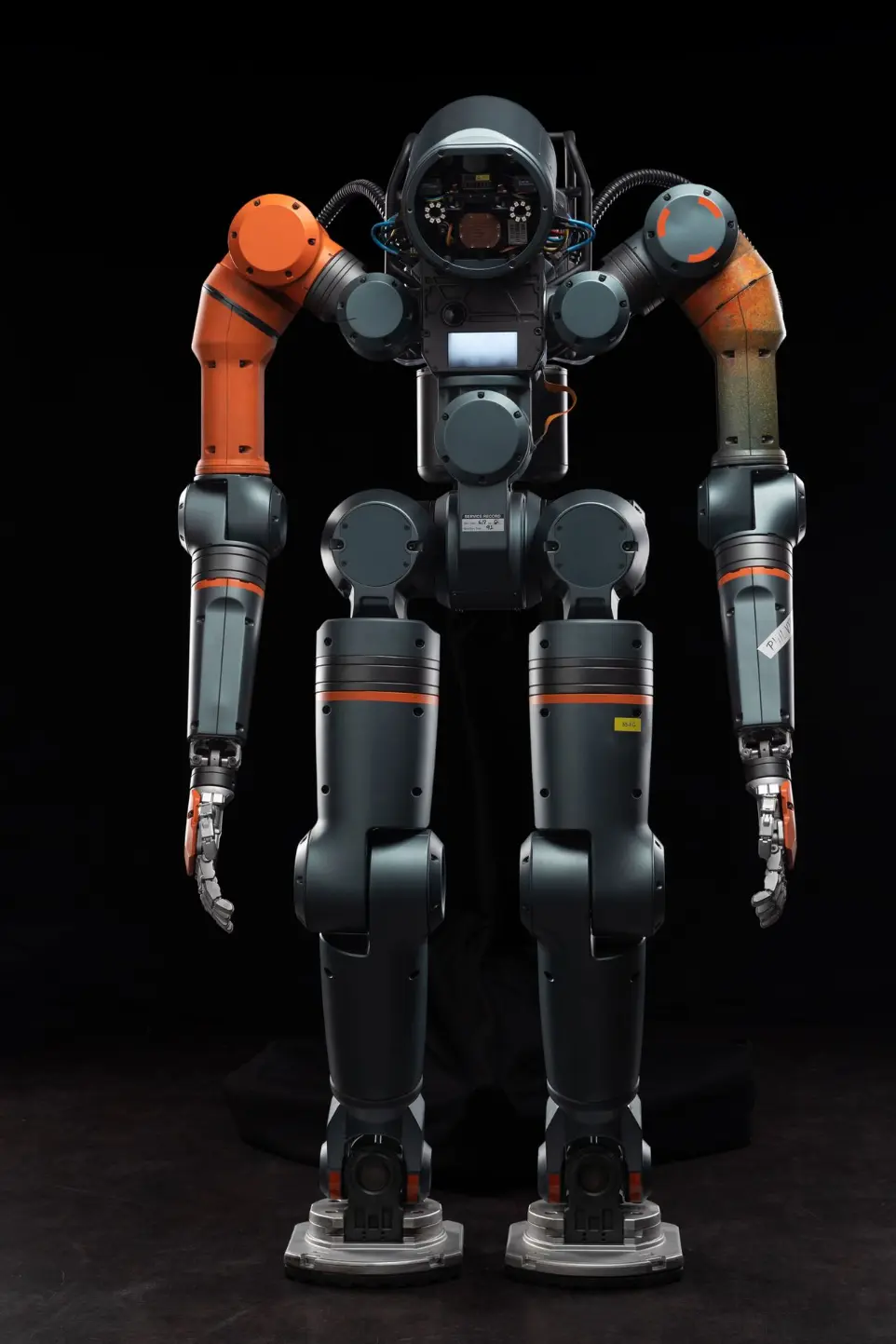
But easily one of the most surreal moments for me was designing the robot, Bruce, for the film M3GAN. I’m obsessed with robots. I think a lot of that comes from an interest in science-fiction stories and technology, but they’re also just cool! So, designing Bruce, and then getting to stand next to the real, physical puppet Wētā Workshop built, was just the best feeling. I even got to write the handwritten notations on him myself! Many thanks to Jeremy Hanna for his art direction on that job.
How do you nourish your creative side when you aren’t working?
I’ve always got too many personal projects on the go at home. I sketch and study, and have a long list of random thoughts and ideas I keep on my phone for whenever they pop into my head.
Once a project gets past just being a sentence in my notes or sketch in Photoshop, I try to finish it before moving on to the next thing. I’ve found finishing things has helped me understand how to resolve my ideas.
What inspires you?
Ideas wise, so many things. Spaceships, robots, planes, books, films, games. There are so many technologies and fields full of awesome ideas that inspire new concepts and projects all the time. Some of the strangest, most fantastical things I’ve ever seen are actually just real creatures or phenomena, nature is often far more imaginative than we are, and incredibly inspiring.
But a broader desire to create and share is inspired by my friends and the local art community here. There are so many great artists, shows and local events constantly inspiring me to have a go myself, and try something new.
Related news
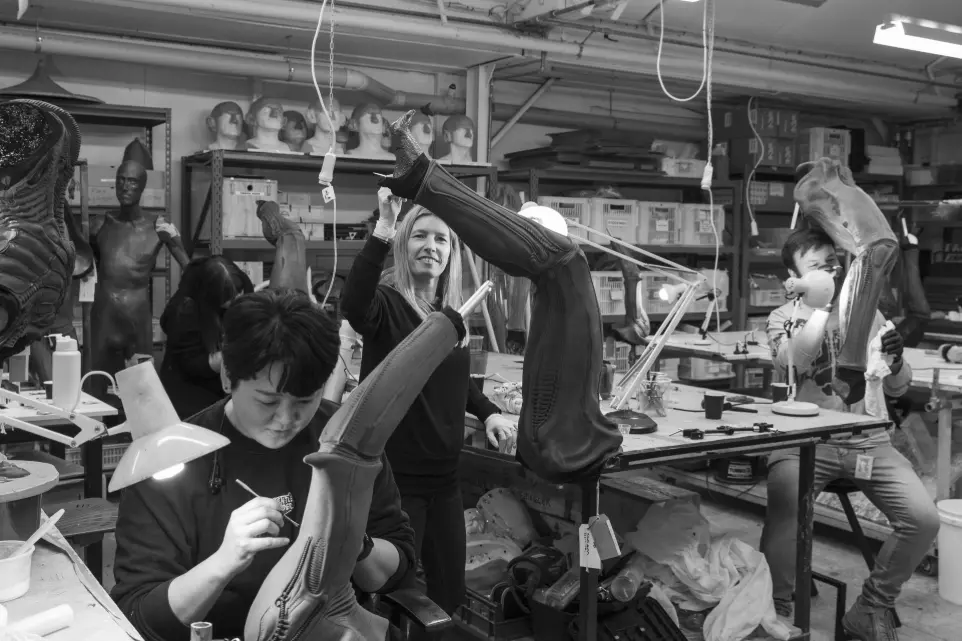
Wētā Workshop wāhine: From prosthetics to molding, discover what it’s like to work at our Workshop
Film and television • Immersive experiences • Consumer products • Careers • Wētā Workshop • Design • Manufacture
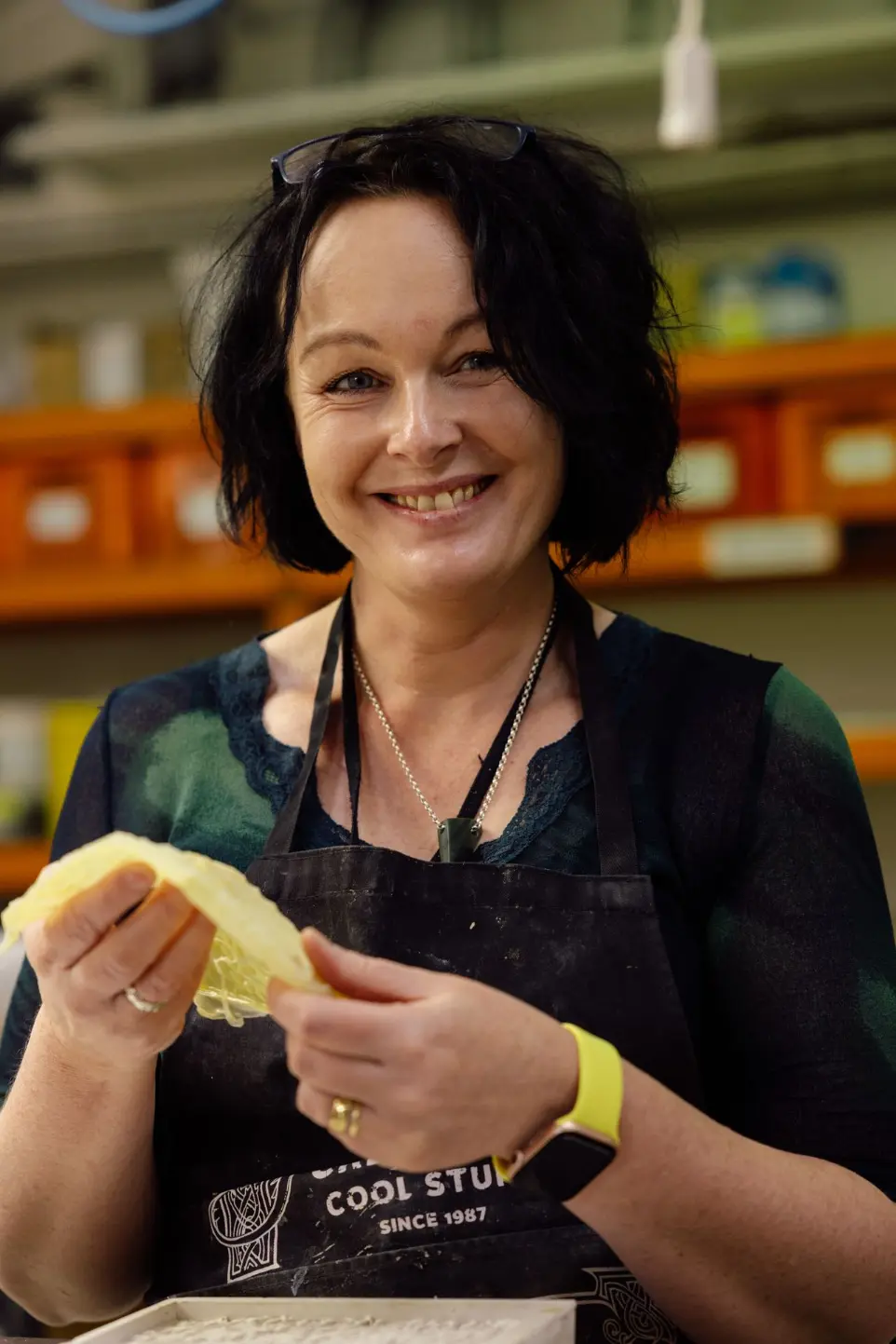
WOW winner Katherine Bertram reflects on her transformative internship
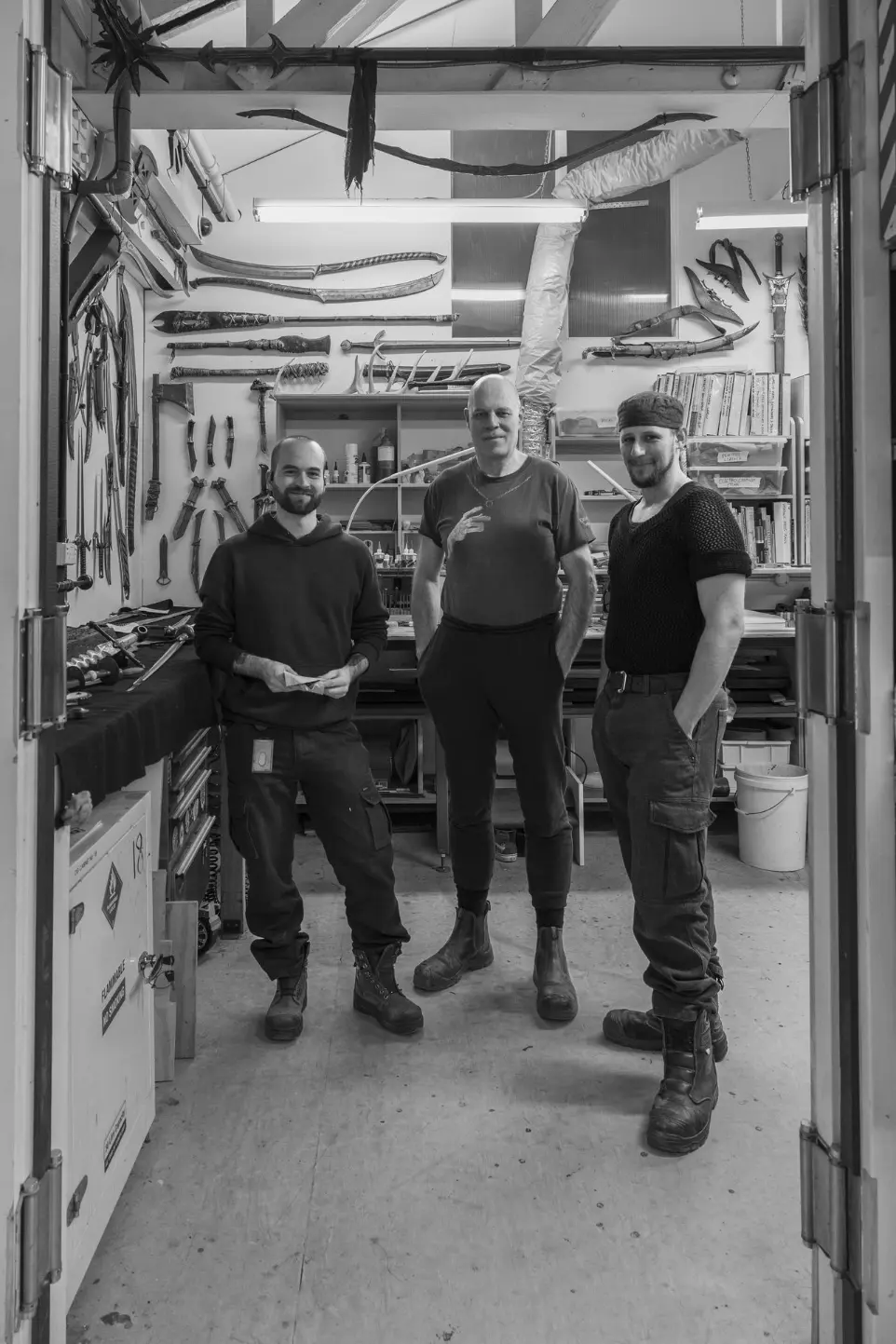
Inside the armoury with Wētā Workshop’s swordsmiths
Film and television • Consumer products • Manufacture • Careers
Related news
Wētā Workshop wāhine: From prosthetics to molding, discover what it’s like to work at our Workshop
Film and television • Immersive experiences • Consumer products • Careers • Wētā Workshop • Design • Manufacture
WOW winner Katherine Bertram reflects on her transformative internship
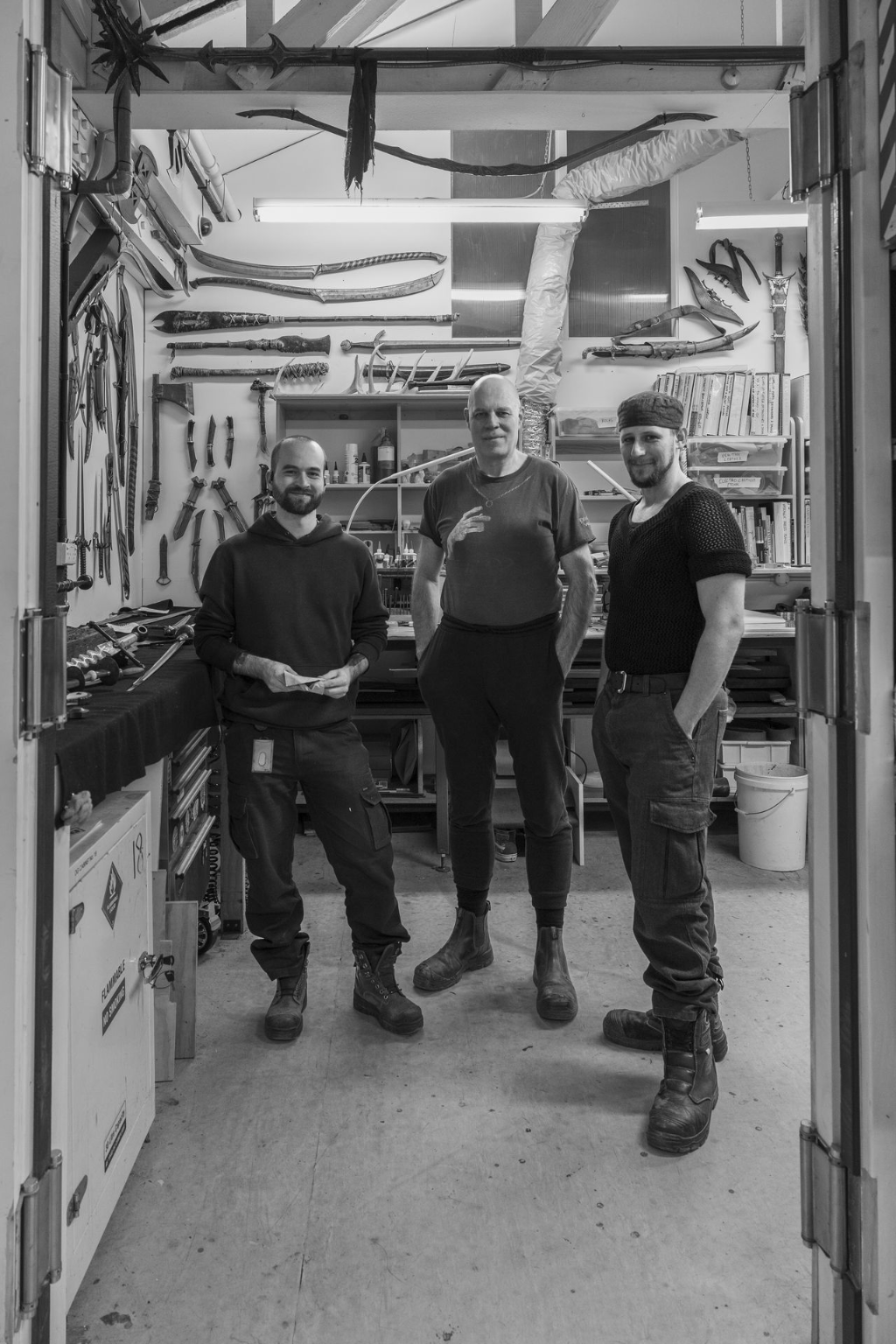
Inside the armoury with Wētā Workshop’s swordsmiths
Film and television • Consumer products • Manufacture • Careers